Café Feurstein & Stone Club
Feldkirch, Austria – Fritz Ahammer Architect & Klaus Feurstein
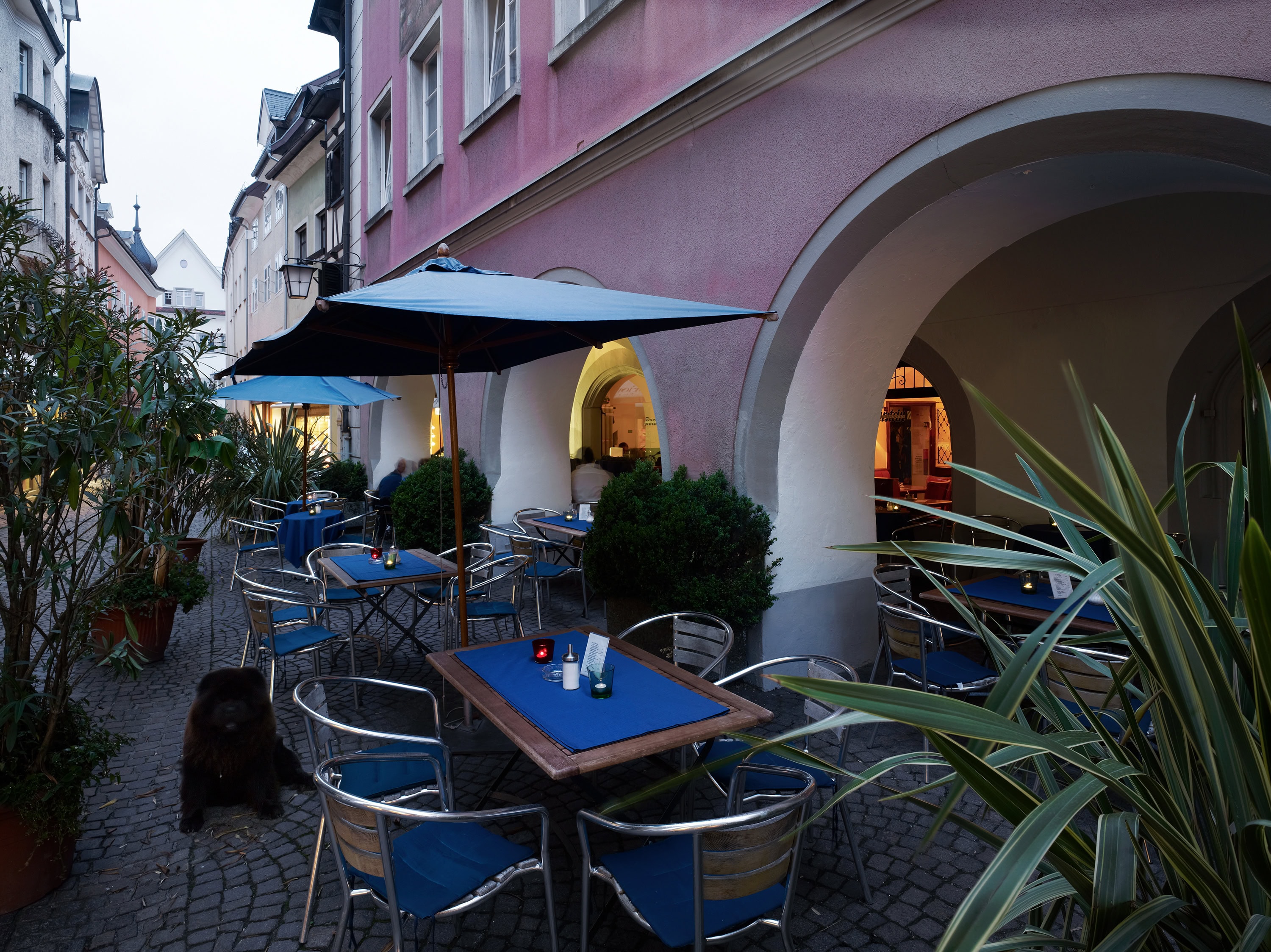
On the ground floor of a historic 17th-century townhouse, owned by the City of Feldkirch since 1850 and once serving as the seat of the Chamber of Commerce, Arthur Feurstein established a pastry shop behind the arcades in 1937. In 1949, he commissioned his friend, the Saarbrücken architect Fritz Ahammer, to expand the café, adding two guest rooms whose furnishings continue to testify to the design culture of the post-war period. The architectural richness visible on the façade and within the arcaded walkways, defined by round-arched windows and exposed stone walls, continues seamlessly into the interior spaces of Café Feurstein. Following in the footsteps of his family, his son Klaus Feurstein took over the establishment in the 1970s.
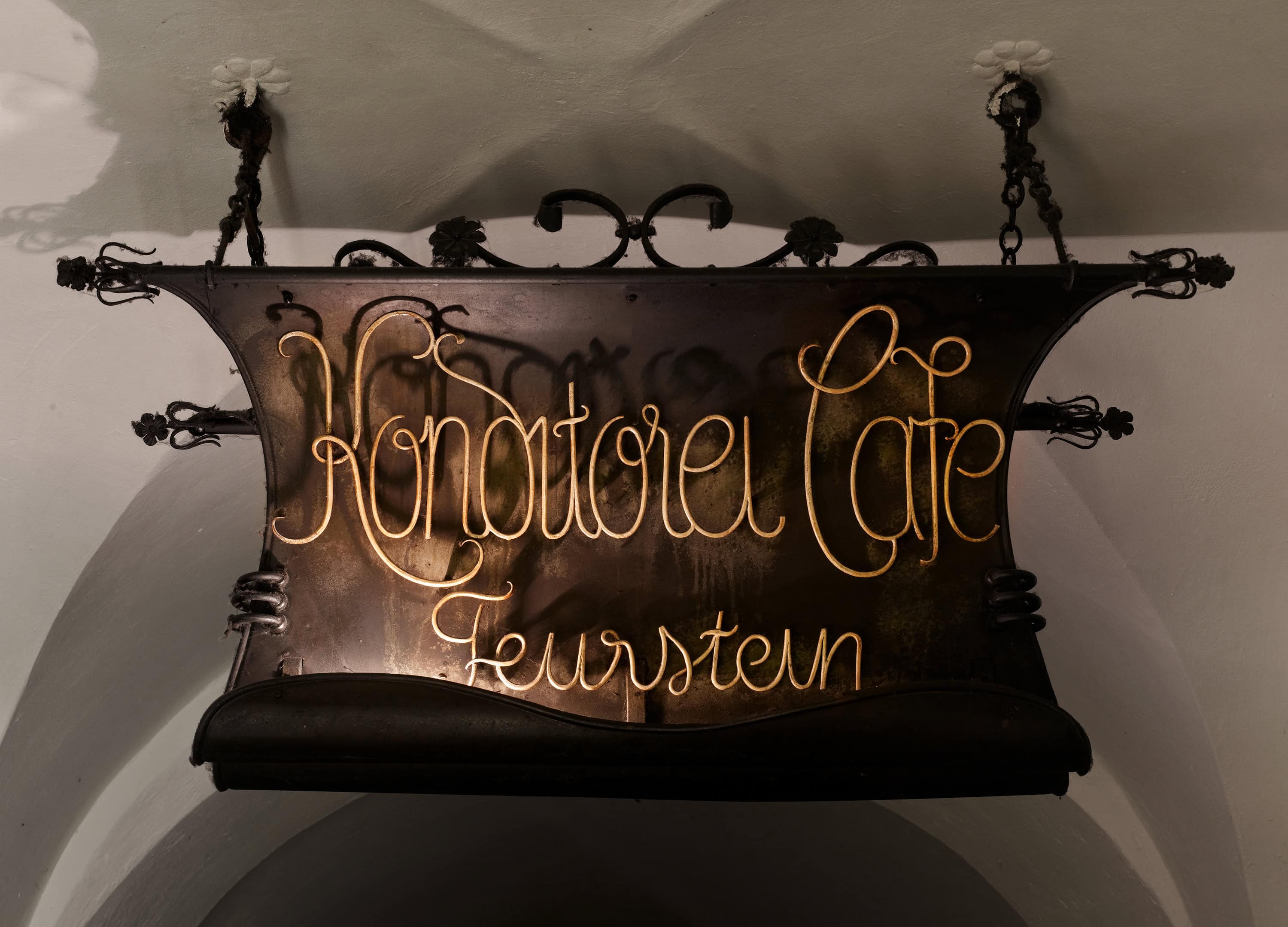
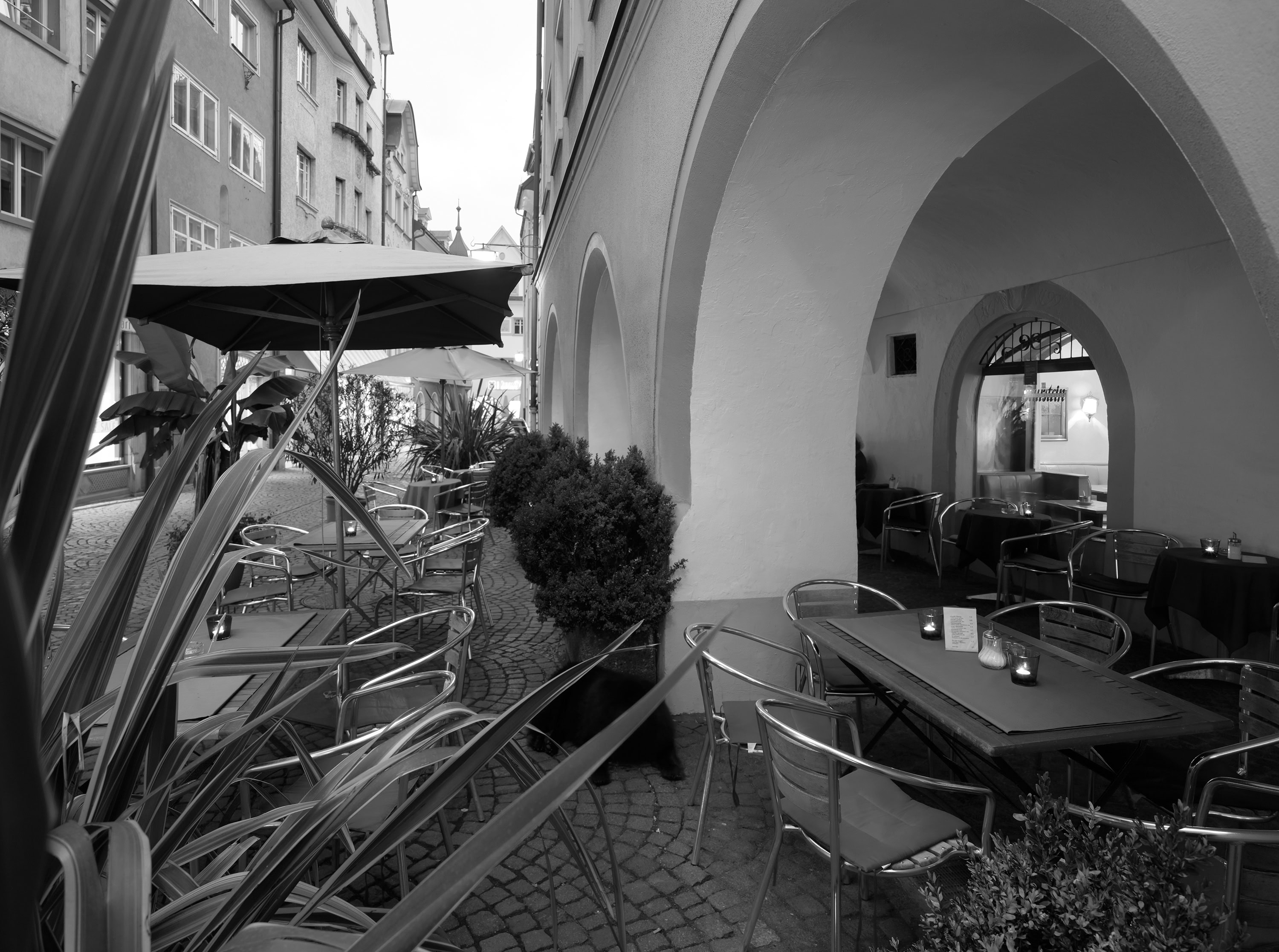
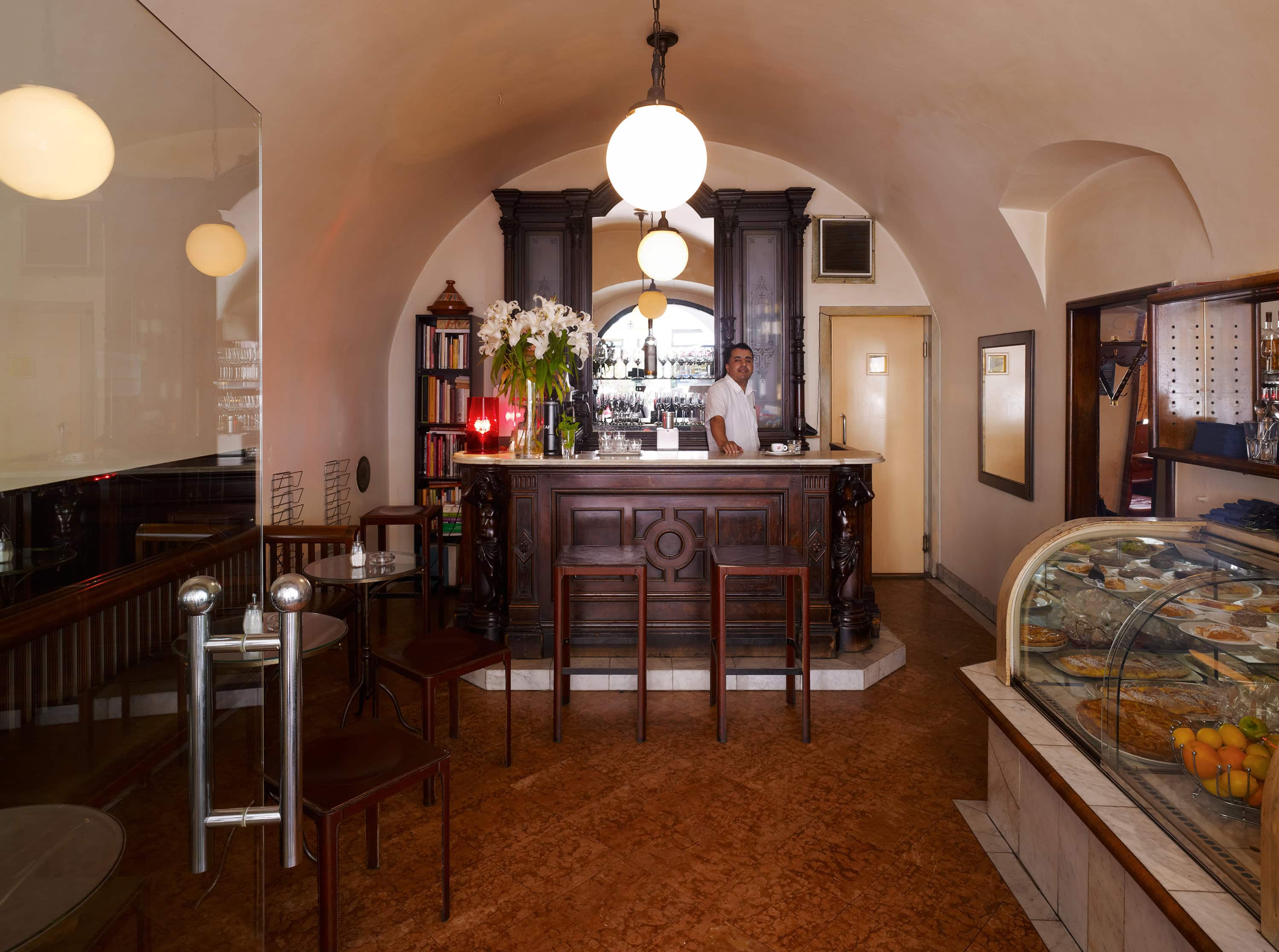
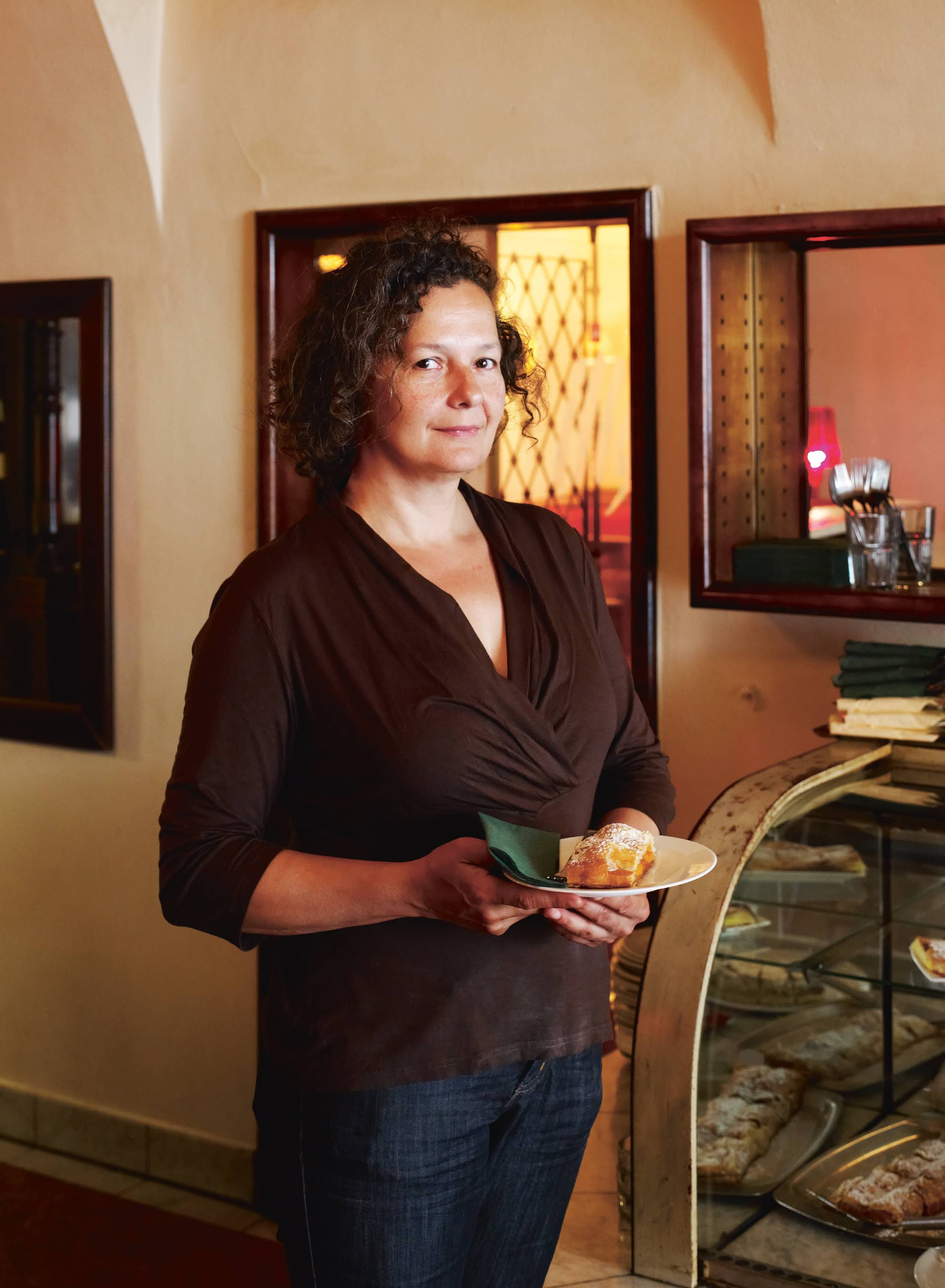
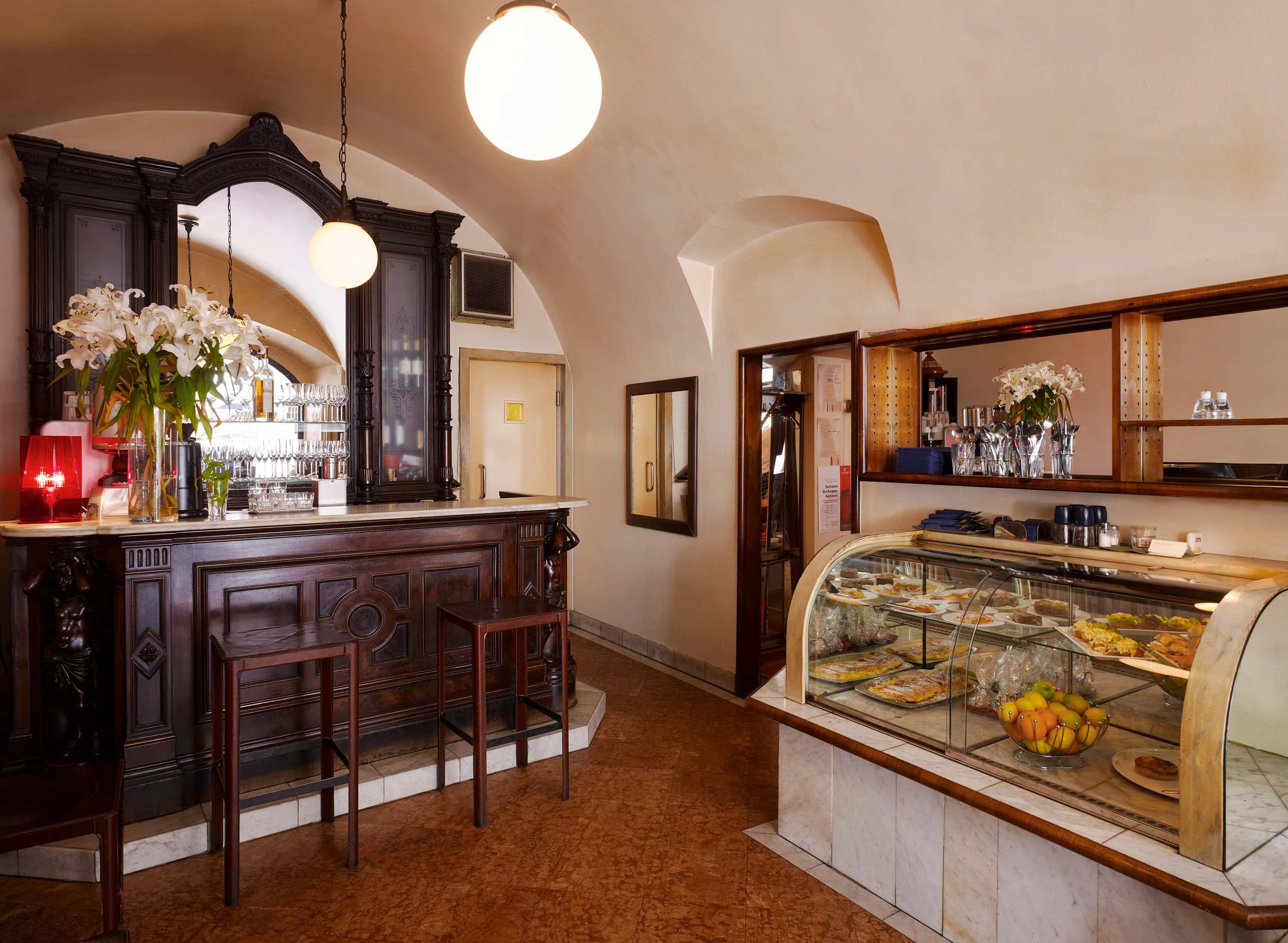
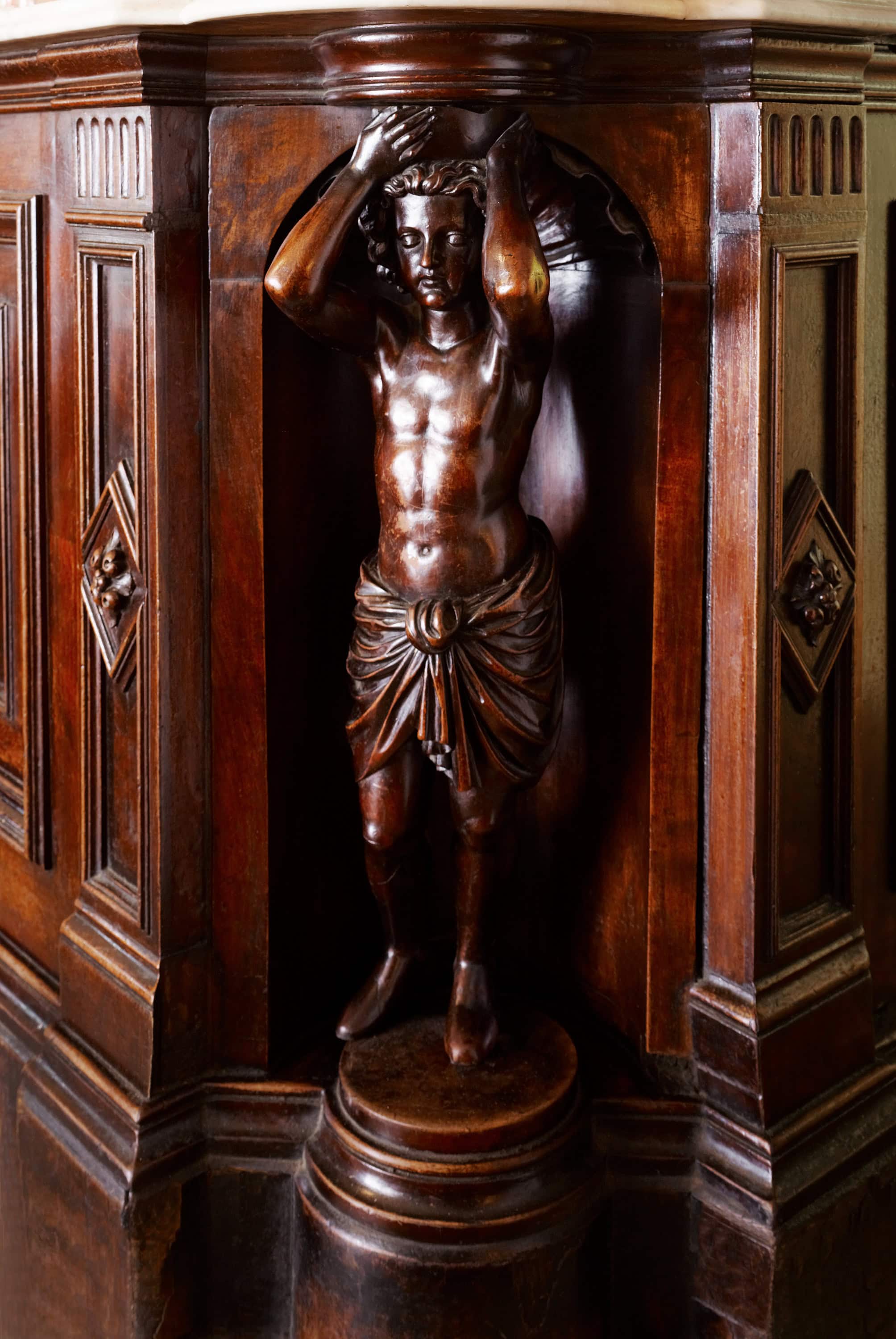
Vaulted ceilings and terrazzo floors composed of five varieties of marble welcome visitors into a room where cakes and confectionery were once served across the counter. The elaborately decorated counter and the design of this bar date from the 1980s.
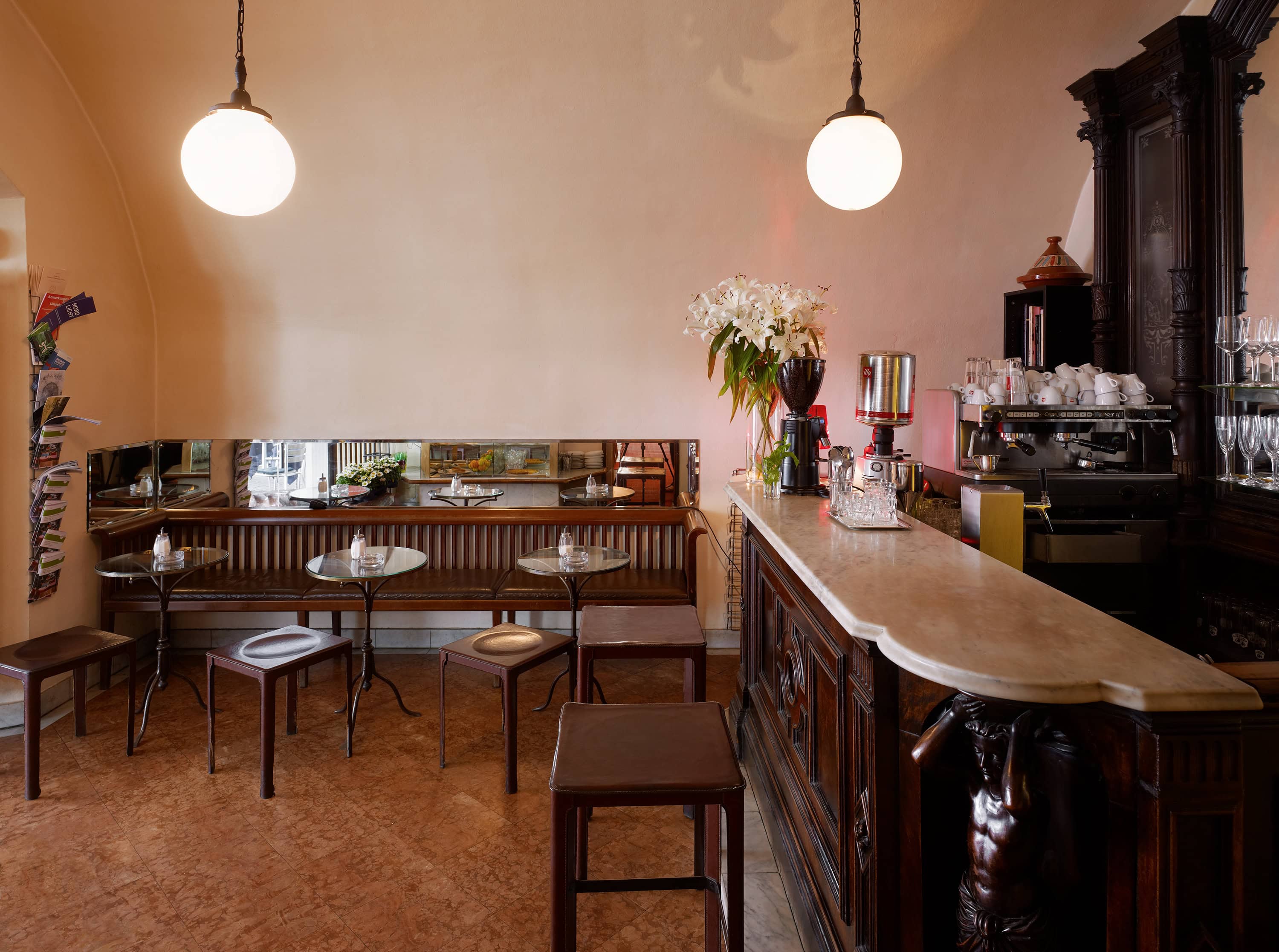
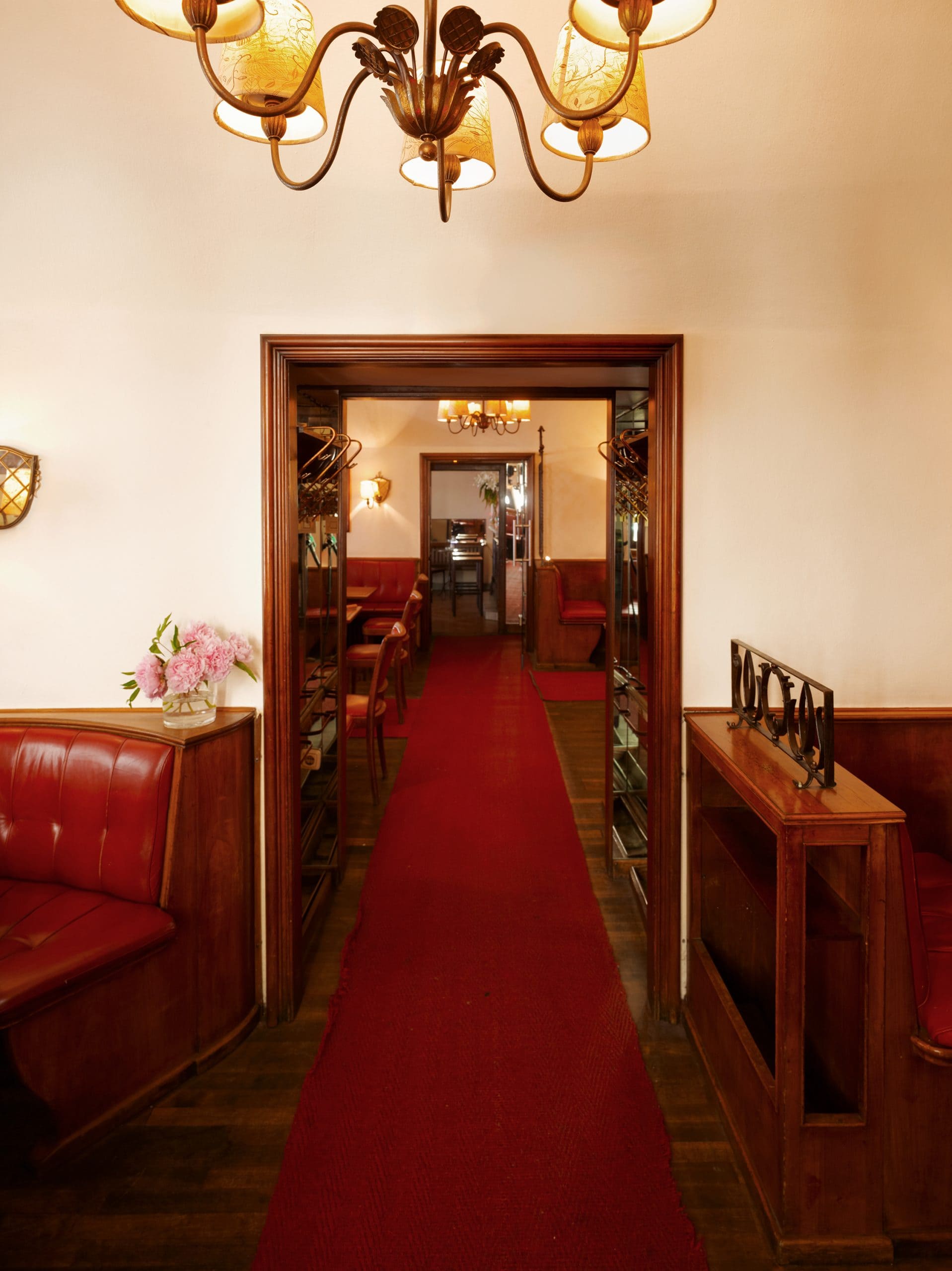
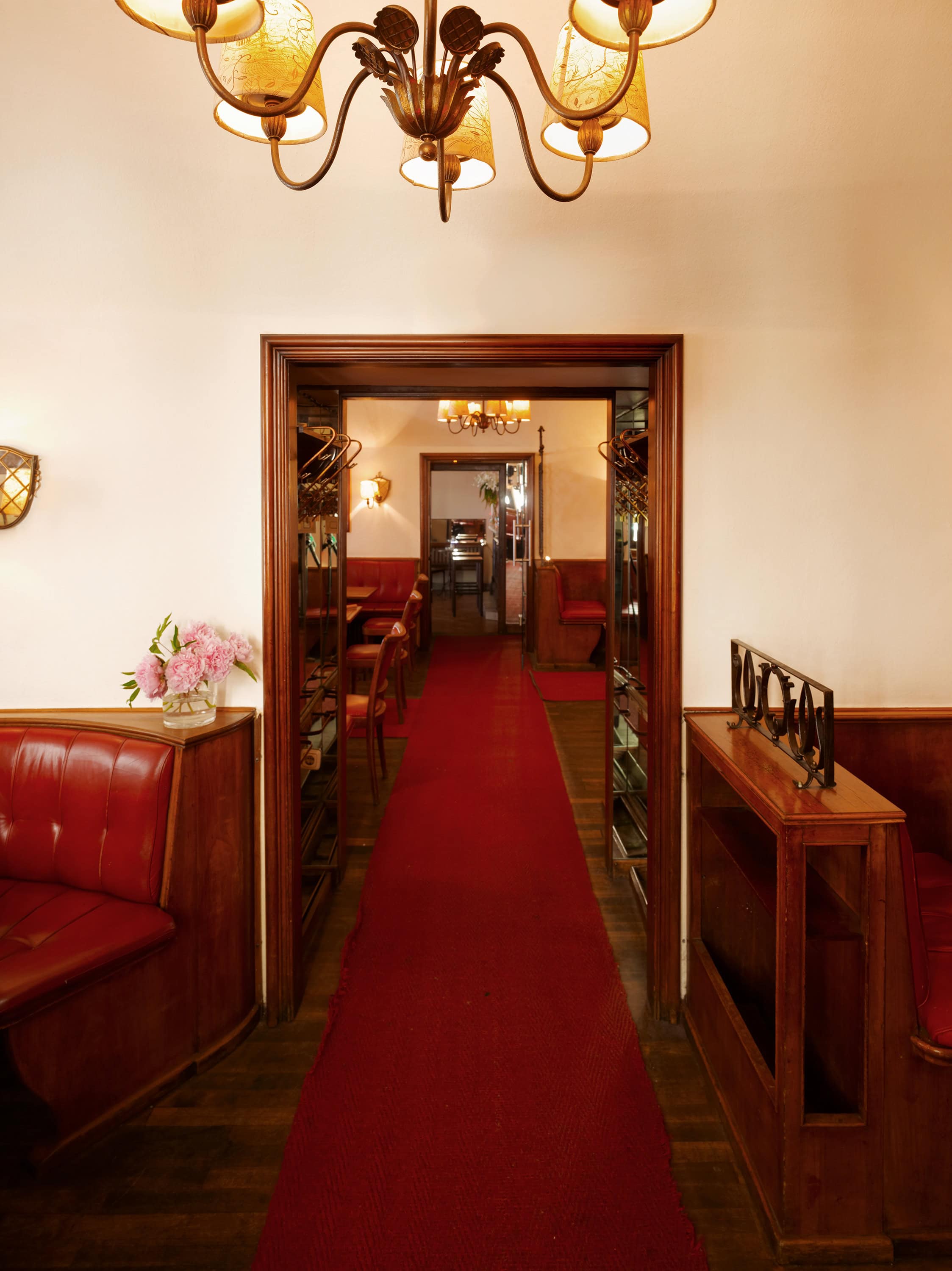
Moving to the right, the spatial sequence leads further back in time. Two coffeehouse rooms, each positioned behind an arcade arch and connected through a carefully composed spatial alignment, open a view into the mid twentieth century and evoke a coffeehouse culture commonly associated with the renowned Viennese cafés of the Gründerzeit and Art Nouveau periods.
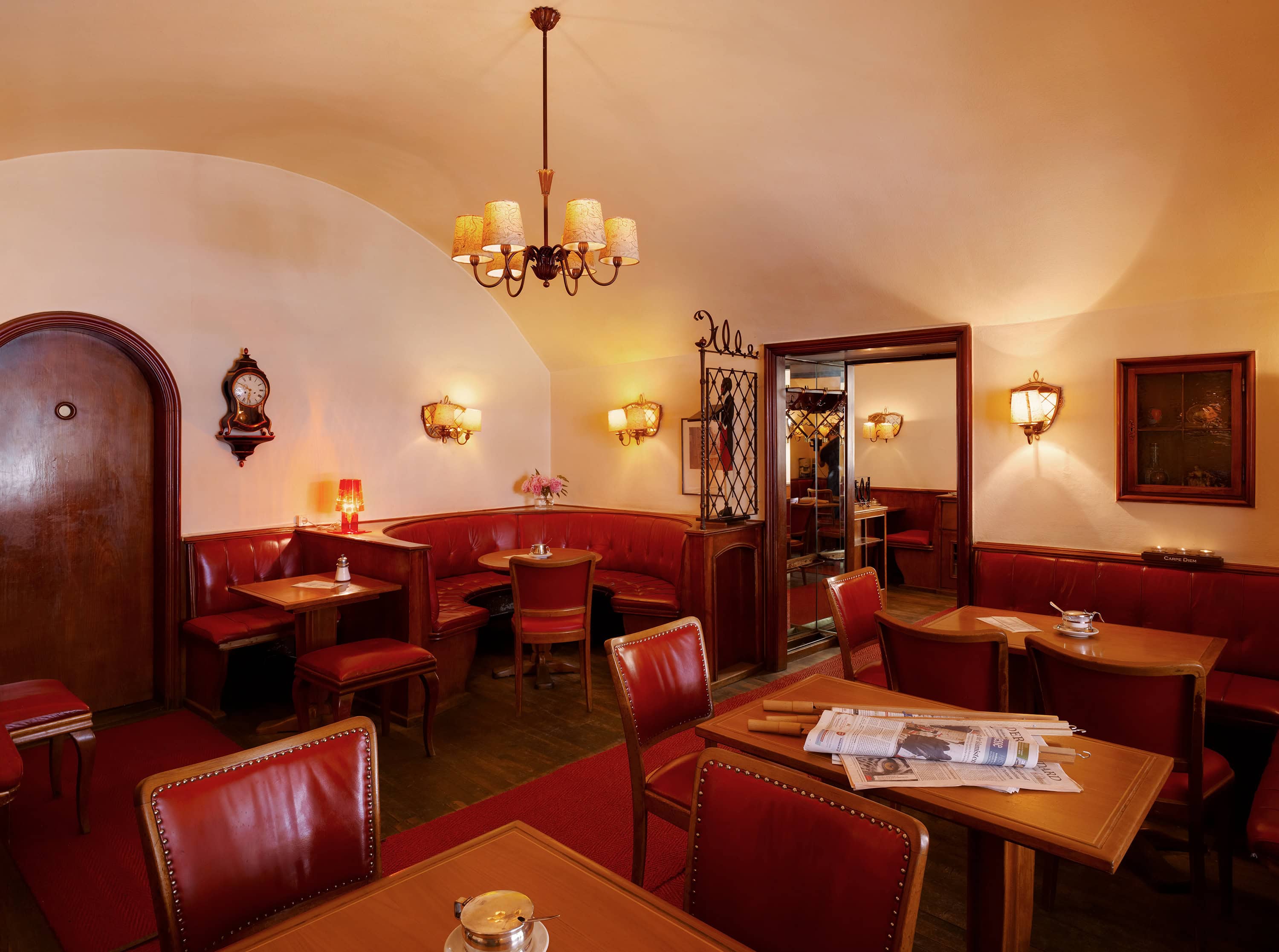
What remains remarkable today is both the high quality and considerable expense of the original fit out, as well as the intelligent use of space. Within a total area of only 42 square metres, seating accommodates up to 40 guests. Seating arrangements for two or more people are individually fitted against walls, into corners, and beneath arches. Distinctive two seat ensembles appear alongside square, rectangular and round tables, complemented by benches of varying sizes and forms. Low wooden partitions topped with wrought iron grilles featuring calligraphic ornamental flourishes structure the wall mounted seating groups upholstered in red leather.
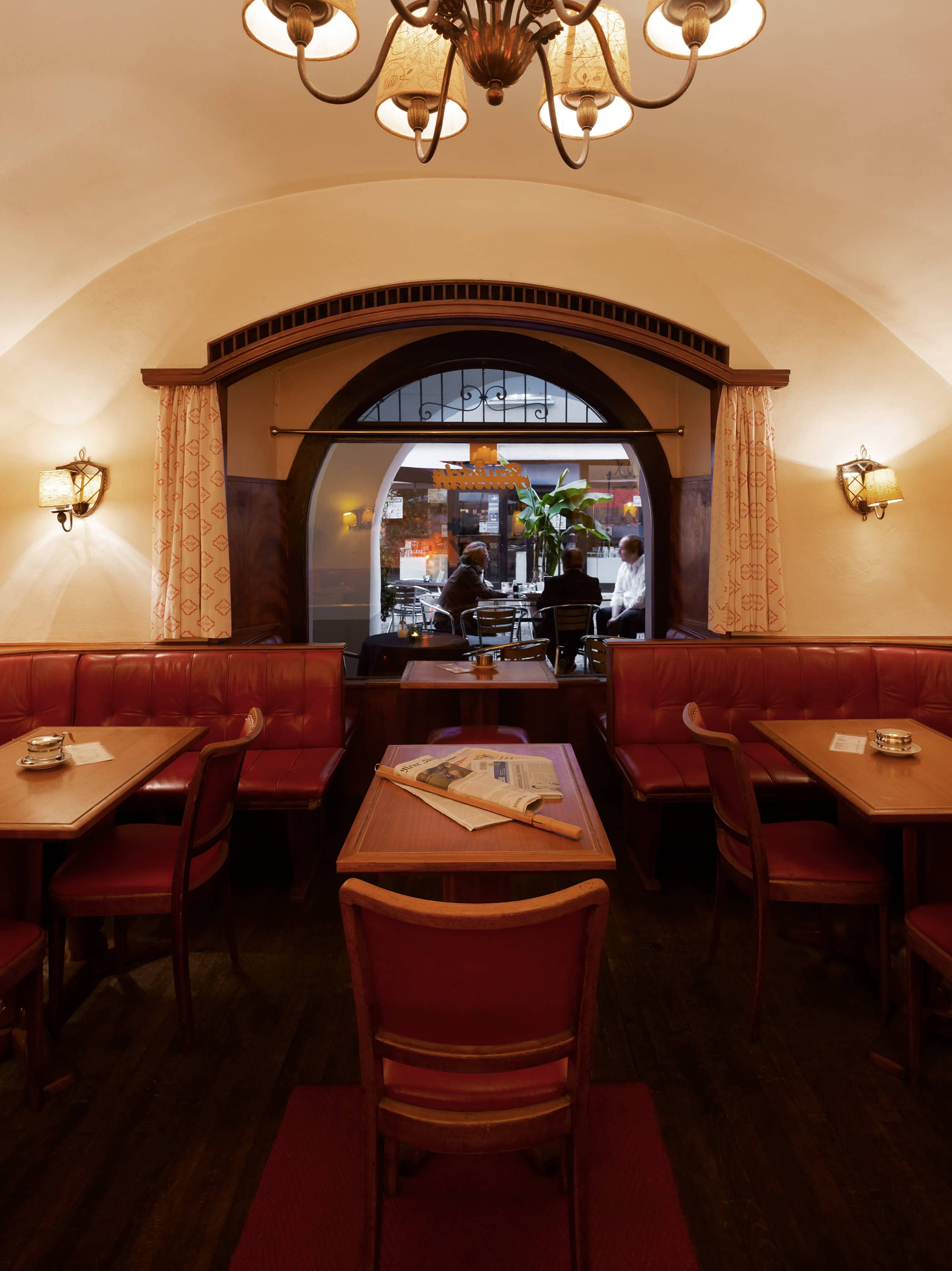
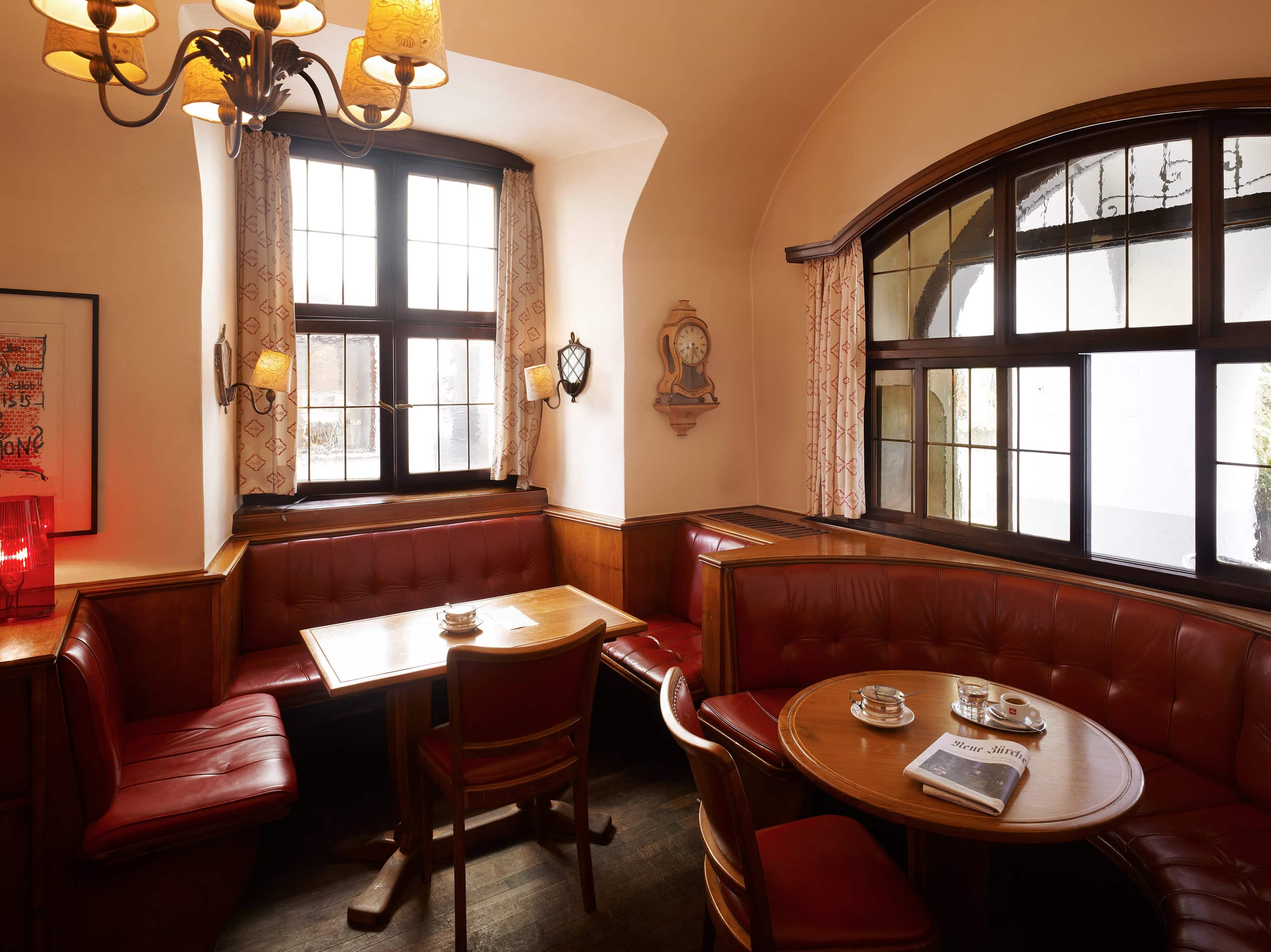
Every detail of these rooms was realised with equal precision in both design and craftsmanship. Two mirrored cloakrooms framed in wood are positioned within the passageways, while small vitrines recessed into the walls display historical objects and confectionery boxes from earlier decades. The lighting, consisting of two multi armed chandeliers as well as all wall lamps, was custom made to correspond with the overall design concept. Like the room dividers, they incorporate wrought iron elements, and the diamond pattern reminiscent of a Linzer torte reappears throughout their design. Anyone wishing to experience a tangible piece of post war economic and social history is warmly encouraged to visit the oldest coffeehouse in Vorarlberg.
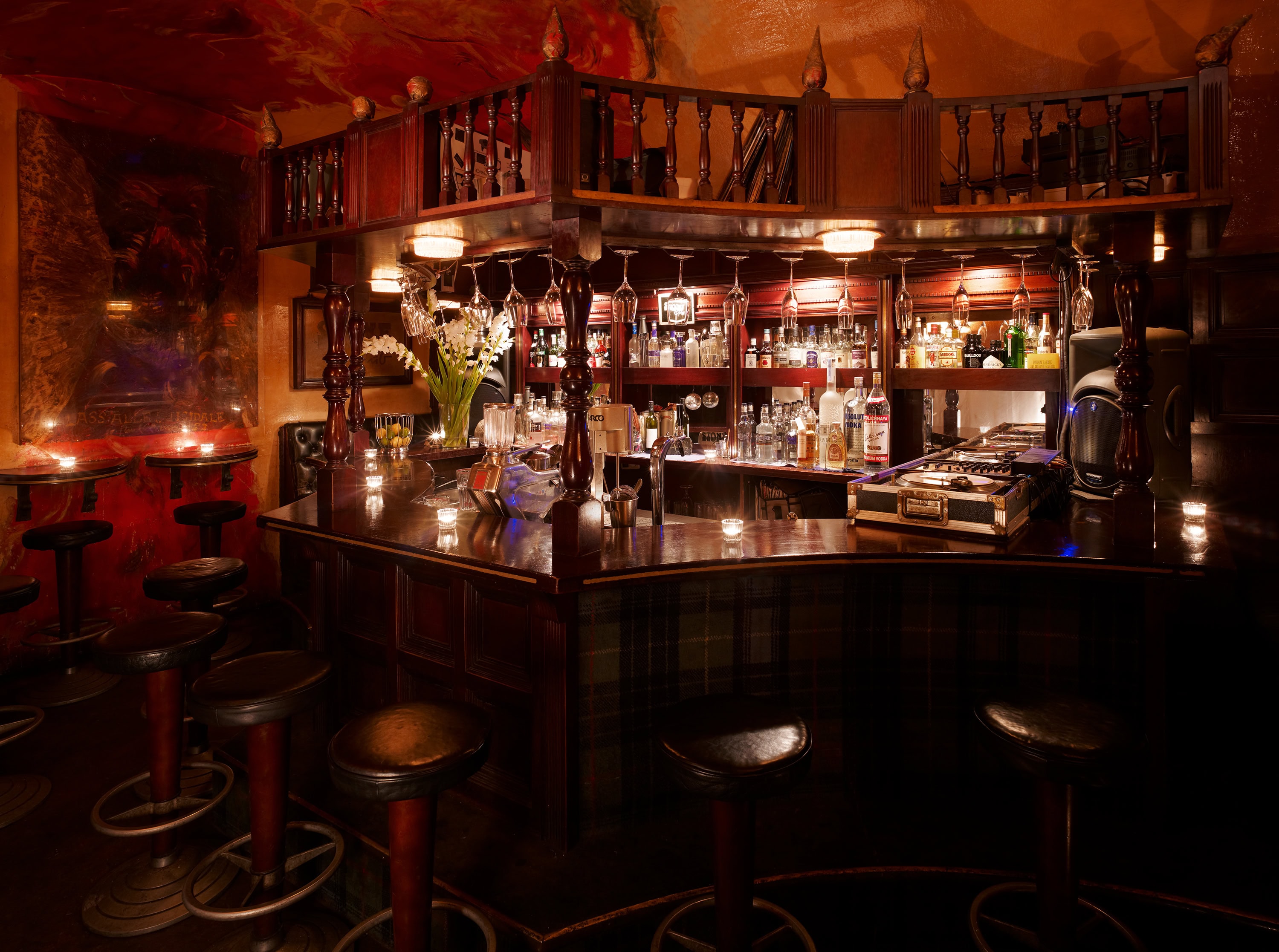
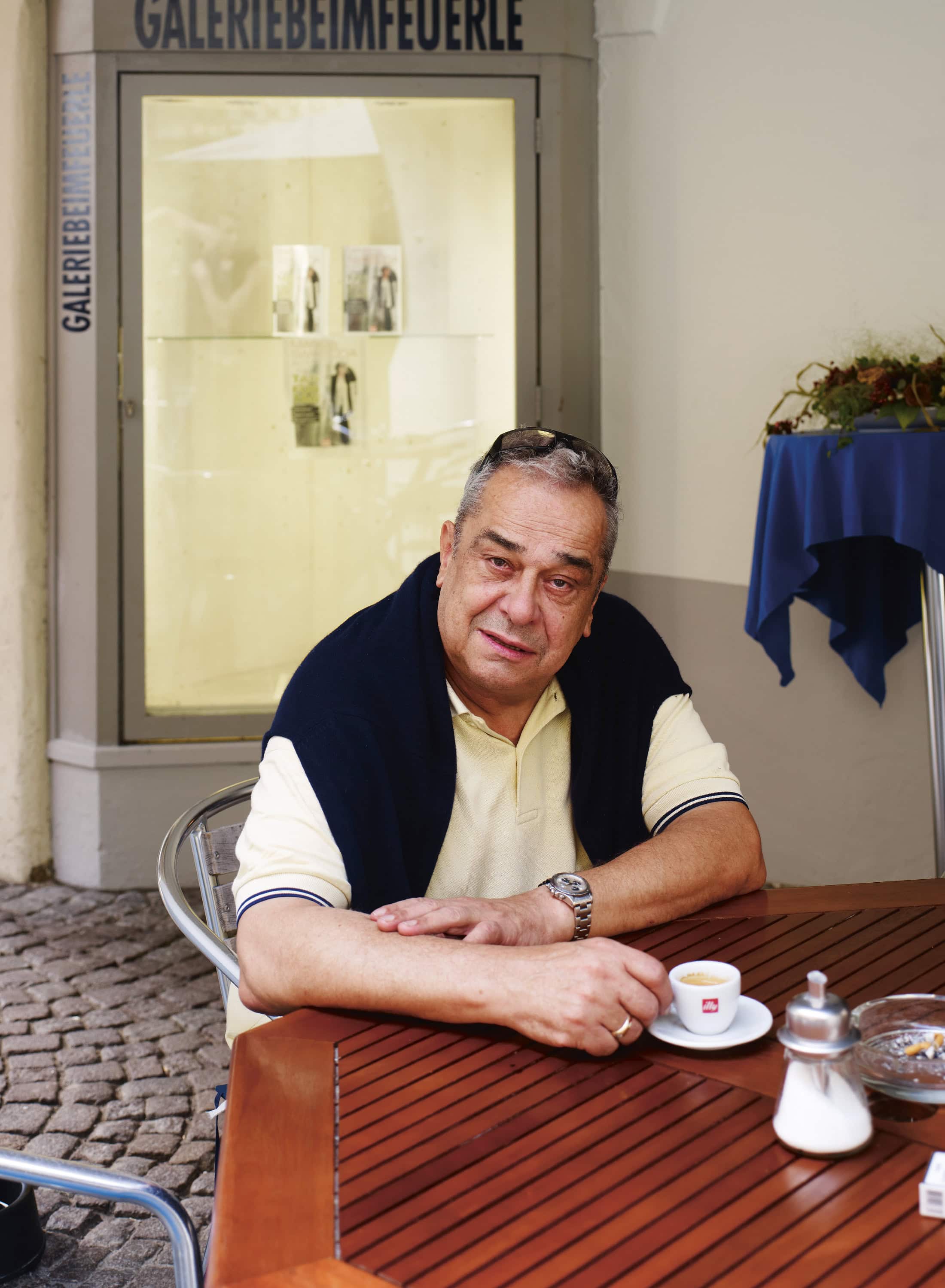
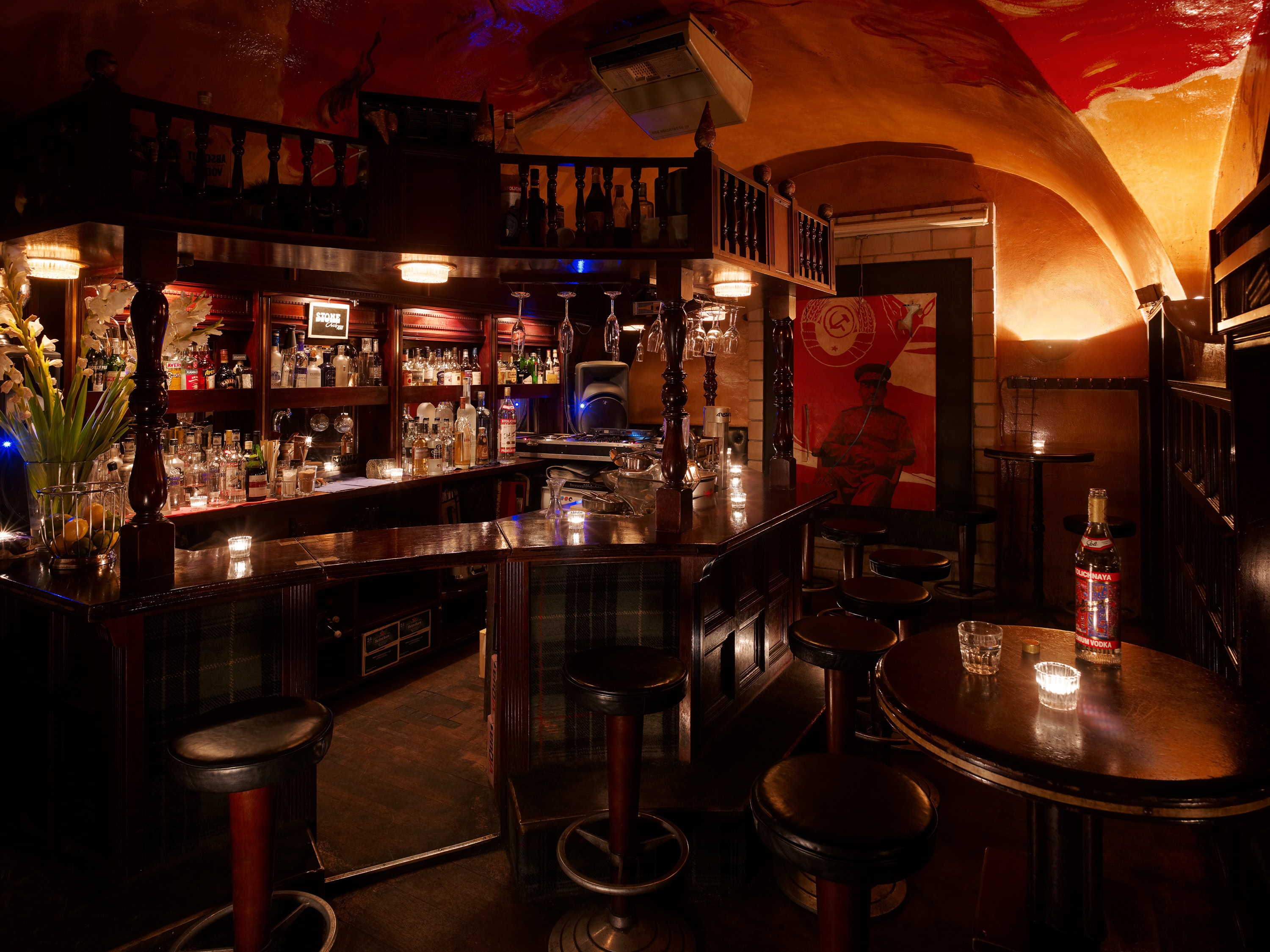
In addition to running the café together with his partner and soulmate Maria Bawart, Klaus Feurstein established the legendary Stone Club in 1978. Located in a small but rather exceptional room, accessible from the café via an arched hallway and featuring traditional English pub furnishings imported from England as well as a room-filling mural by artist Paul Renner, the Stone Club has been described by some as the only square metres of metropolitan life in Vorarlberg. This venue brought together young and old from different social milieus night after night, offering them a space to escape Vorarlberg’s virtues and constraints until the early hours of the morning.
Encouraged in the late 1980s by Vienna-based Andreas Haupt, Klaus Feurstein began performing music as a DJ and collecting electronic music, jazz, and more. The Stone Club has shaped generations of DJs, some of whom have gone on to work internationally. A certain paradox emerged in the informal sister-city relationship between Feldkirch, located in prosperous Vorarlberg, and the bankrupt metropolis of Detroit. Many people in Feldkirch still hold music from Detroit, particularly techno, in high regard, which did repeatedly lead to reciprocal visits by DJs and music enthusiasts.