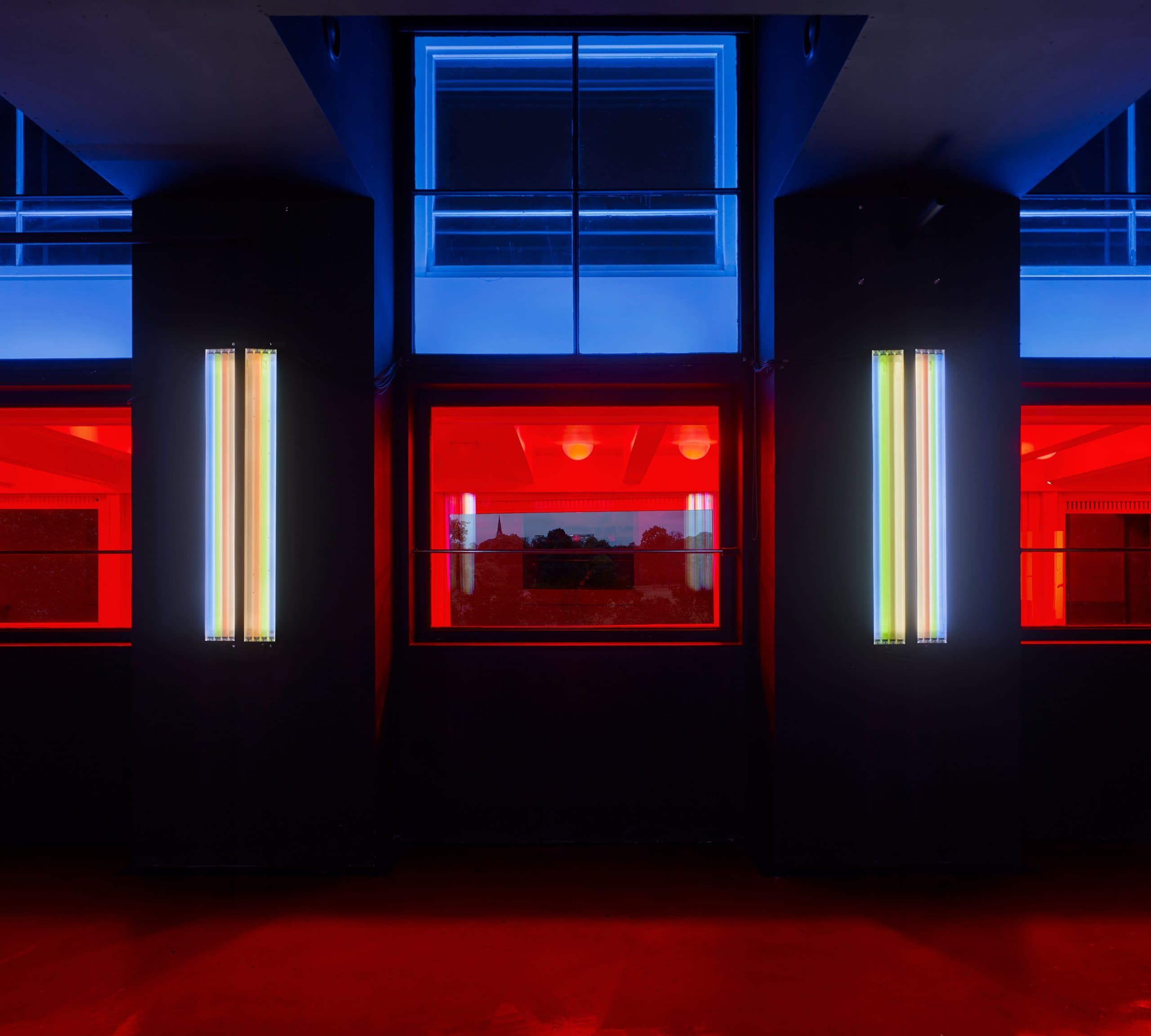
(ORF) Funkhaus – Phase 1
Vienna, Austria – Heinrich Schmid, Hermann Aichinger, Clemens Holzmeister & Gustav Peichl Architects
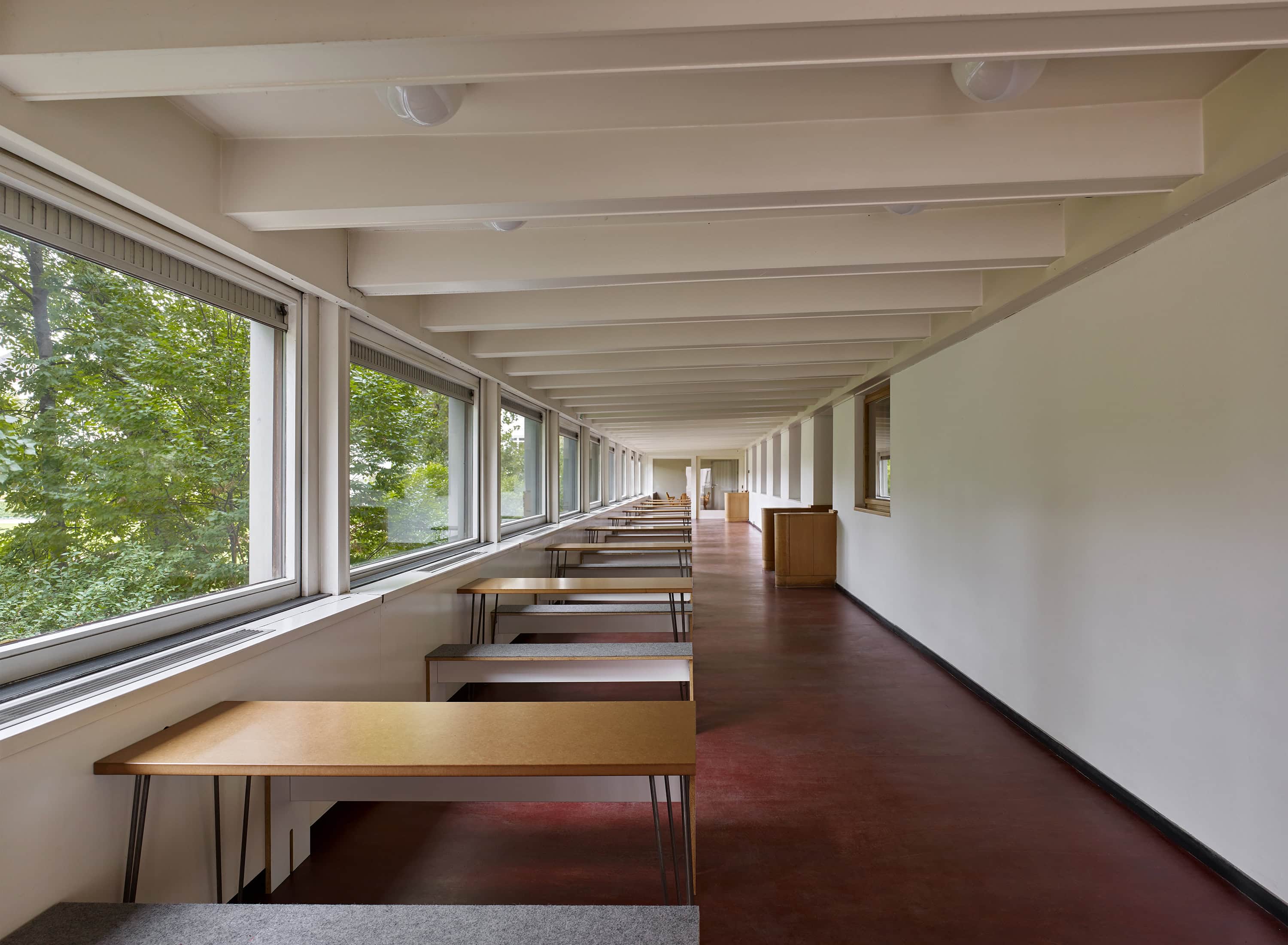
Located on Argentinierstraße, the building was constructed between 1935 and 1939. Designed by architects Heinrich Schmid and Hermann Aichinger, in collaboration with Clemens Holzmeister, it was commissioned by RAVAG (the state-run predecessor to the ORF) and integrated portions of an earlier structure on the site.
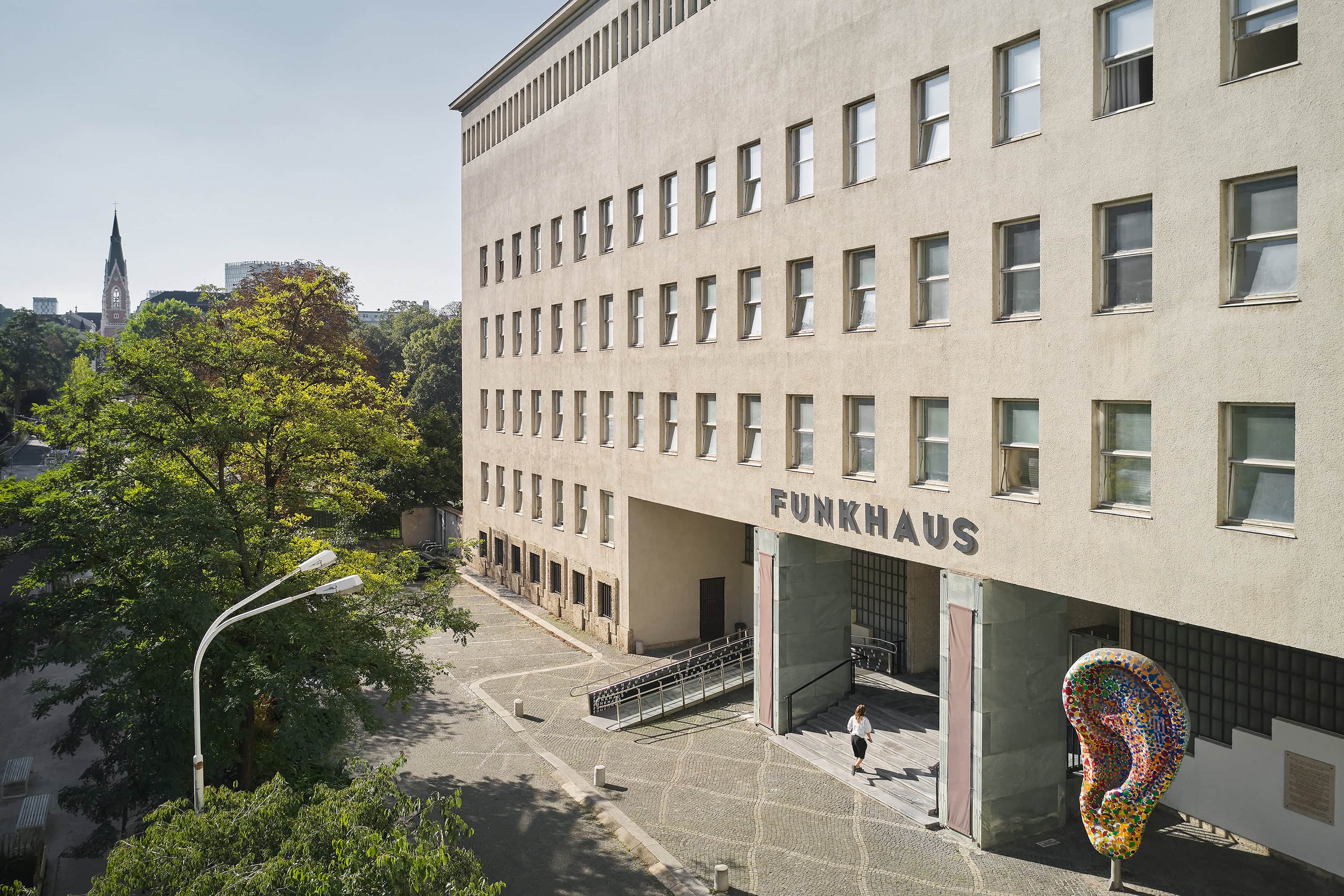
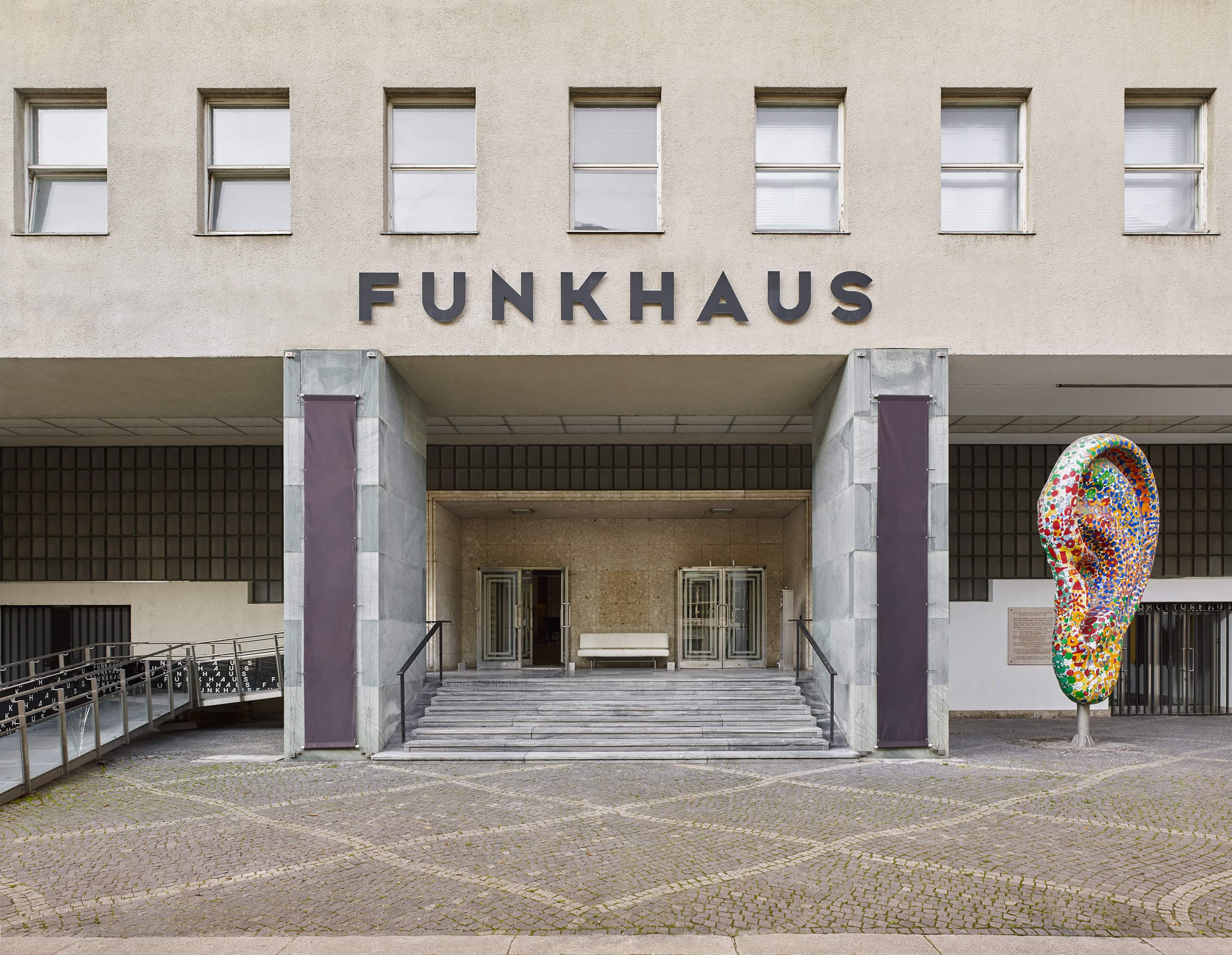
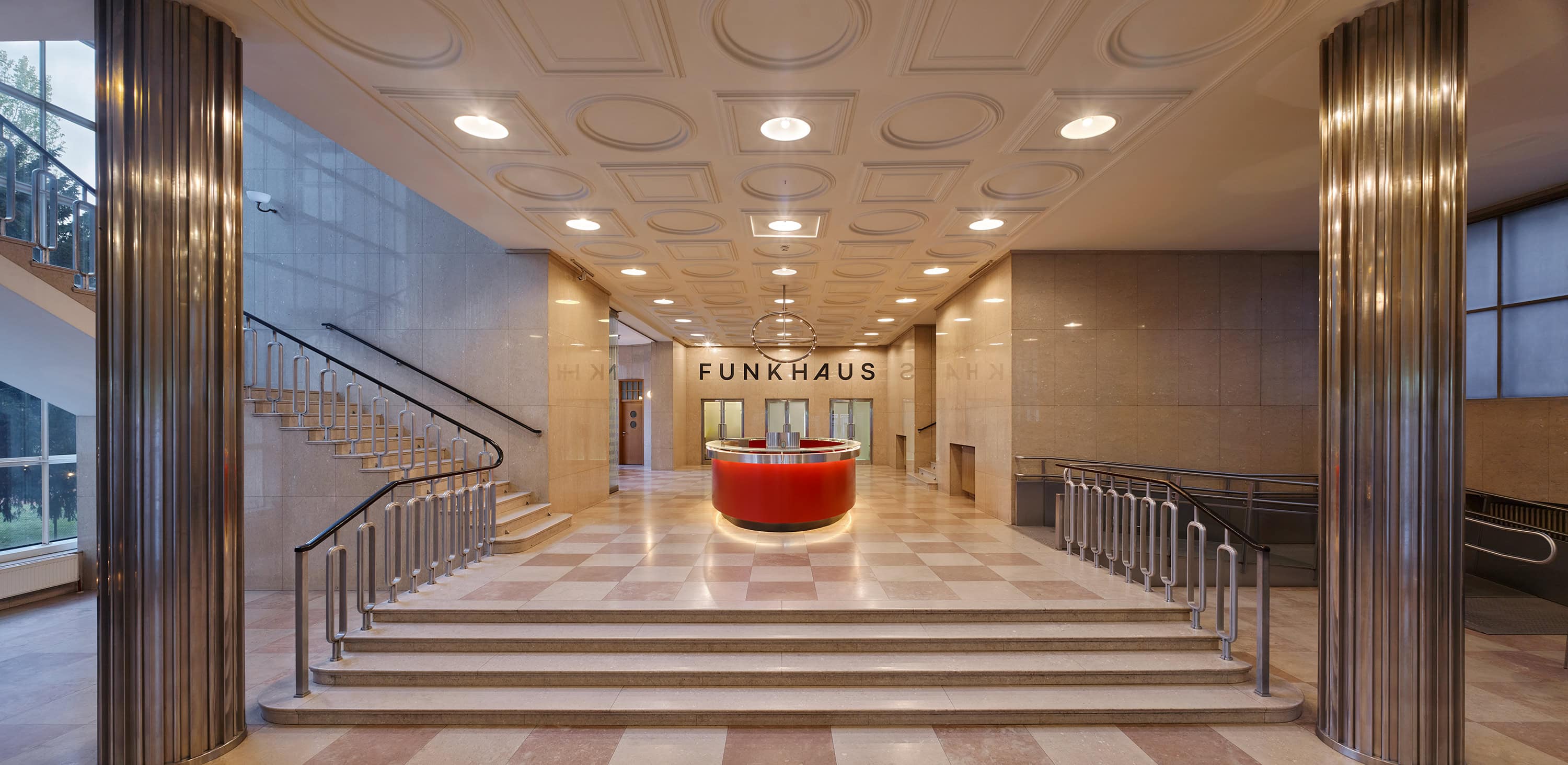
In early 1945, the building was hit during aerial bombings, sustaining heavy damage to the rear section and preventing broadcasting from resuming immediately after the war, despite reconstruction efforts beginning promptly. Although the Funkhaus was located within the Soviet occupation zone, it was not utilized as an official occupation station. Initially, a provisional 30-watt transmission mast was erected on the roof; by early 1946, its power was increased to 10 kW, broadcasting on both medium wave and shortwave.
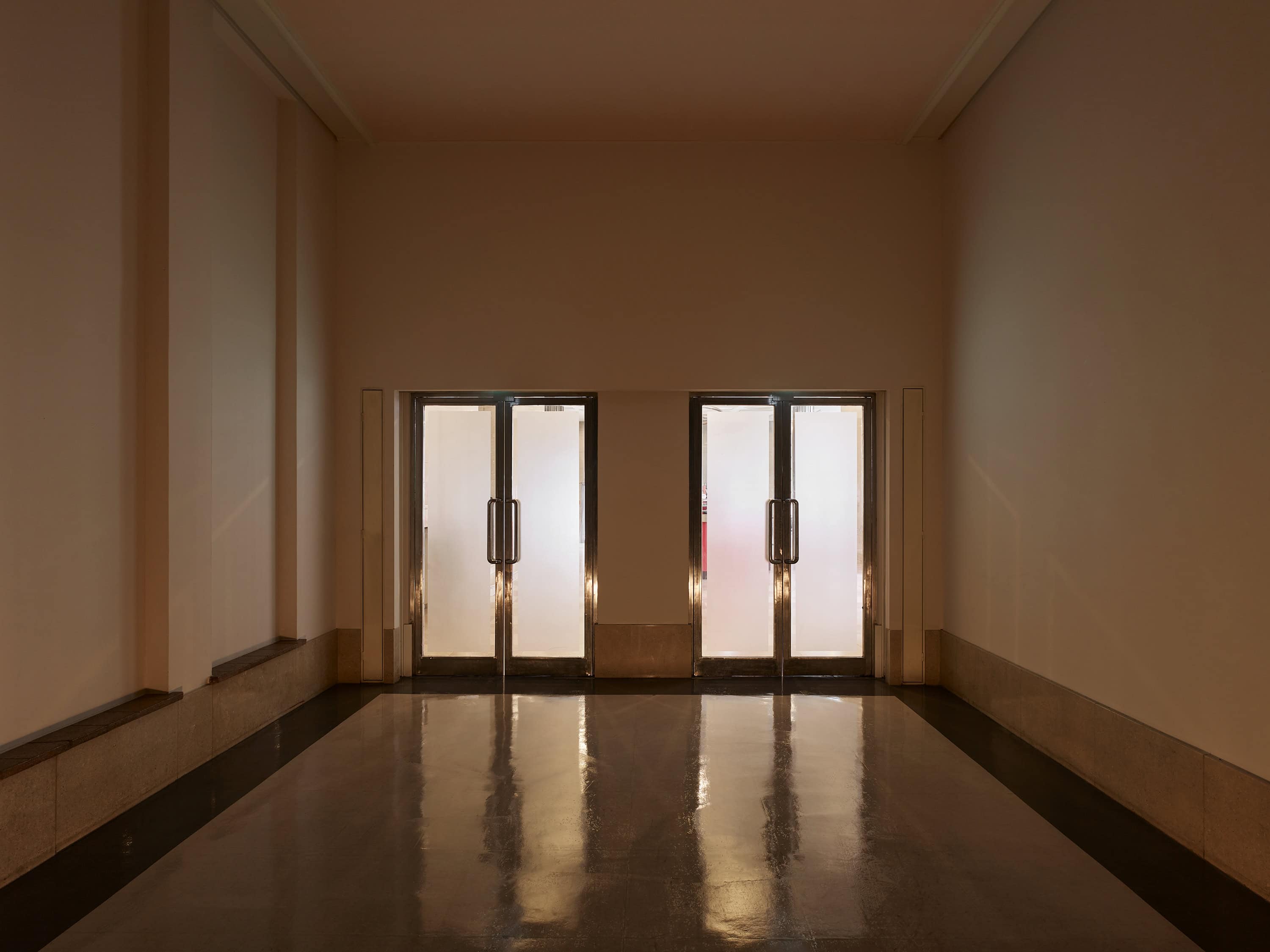
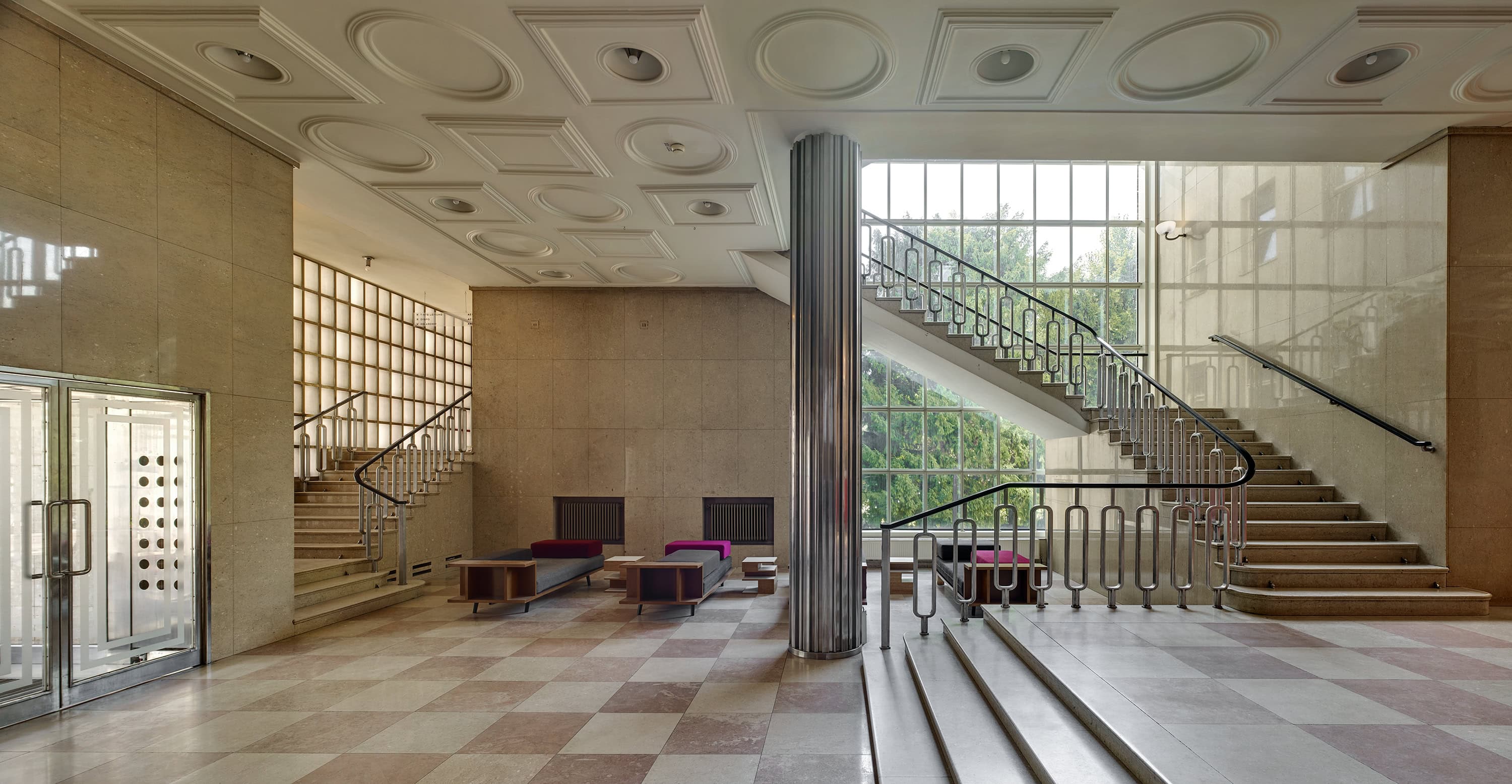
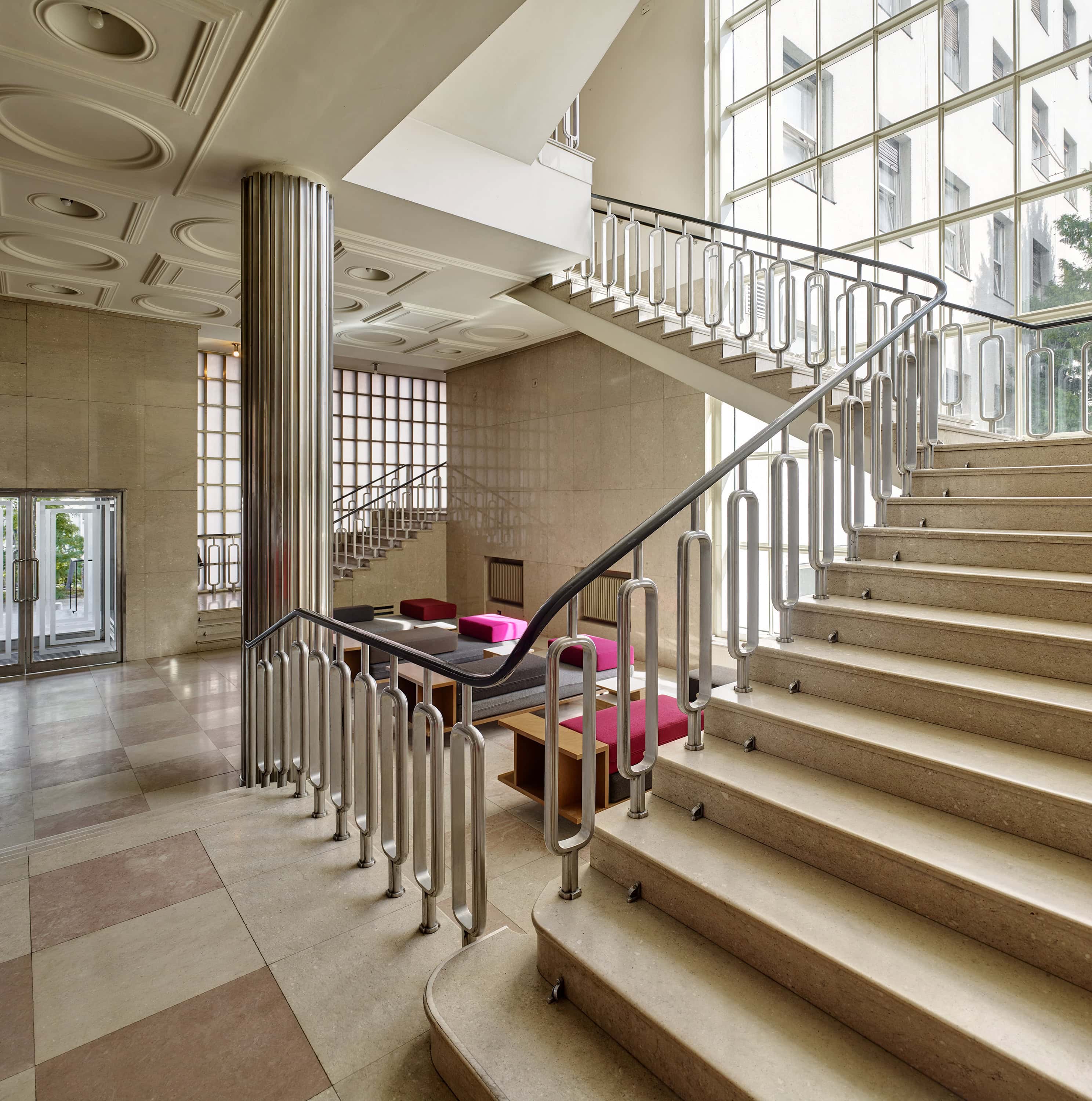
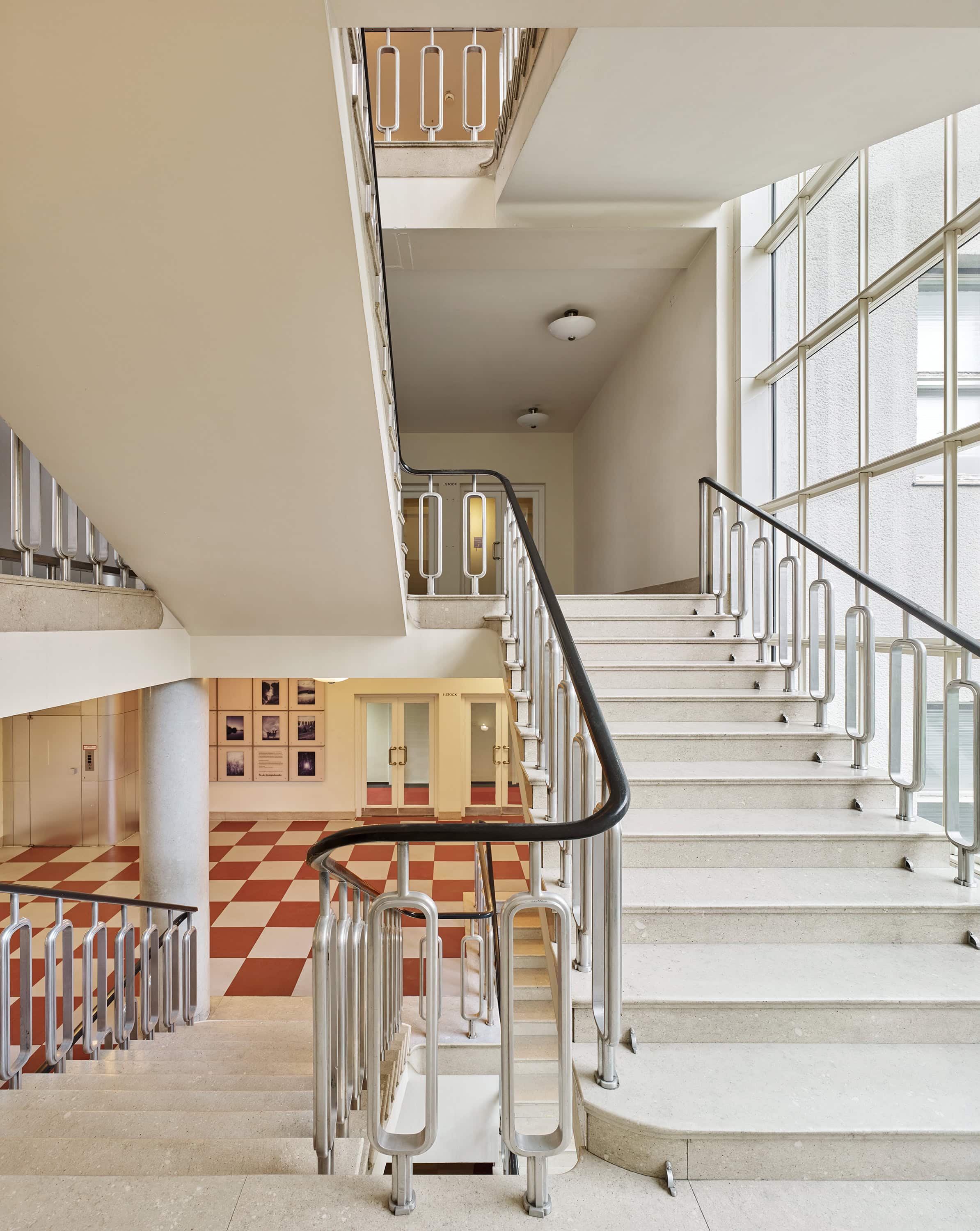
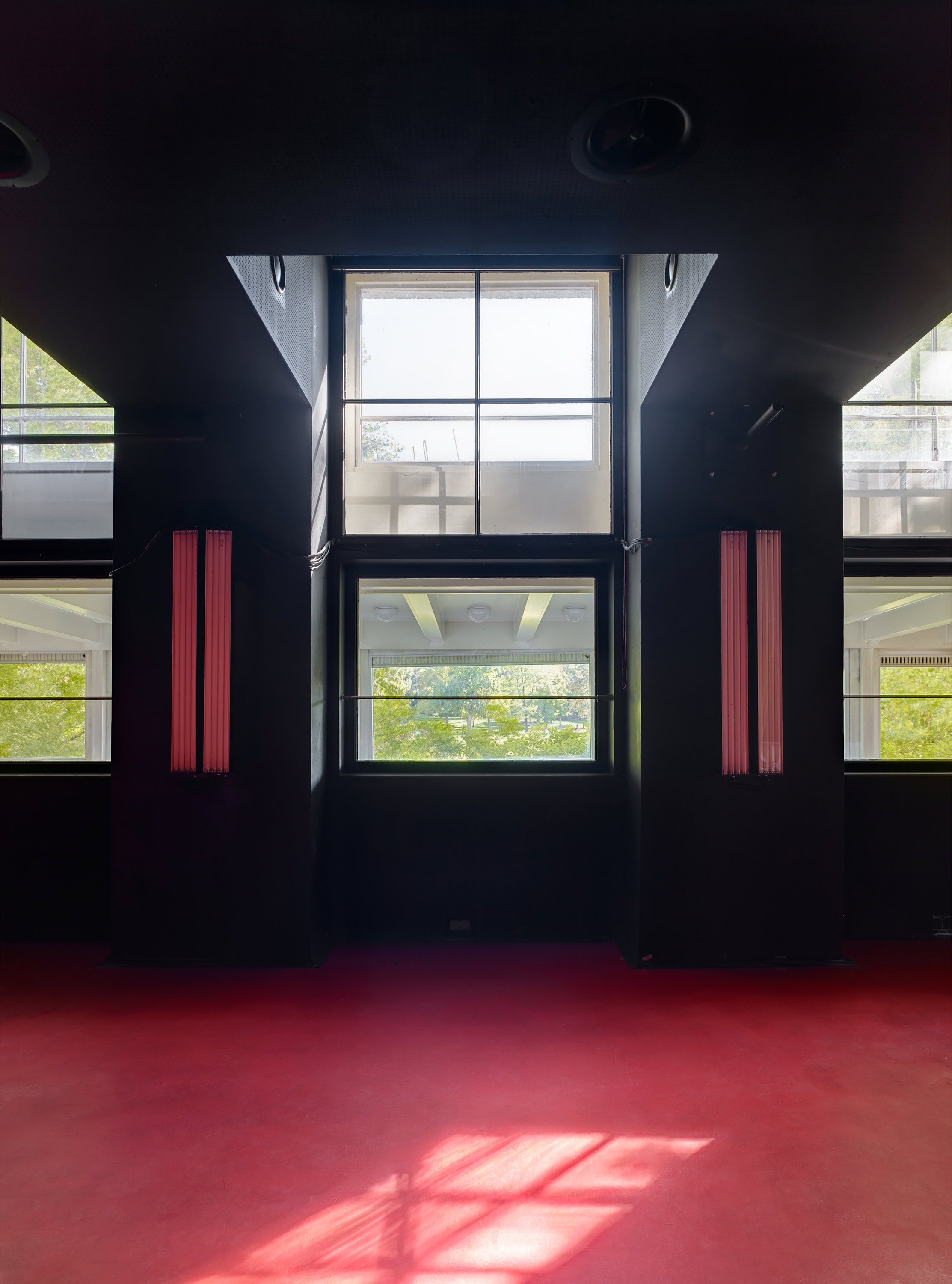
A key architectural feature is that none of the recording studios or the two broadcast halls utilize a right-angled layout. Instead, they feature irregular quadrilateral floor plans, a deliberate design choice to optimize room acoustics.
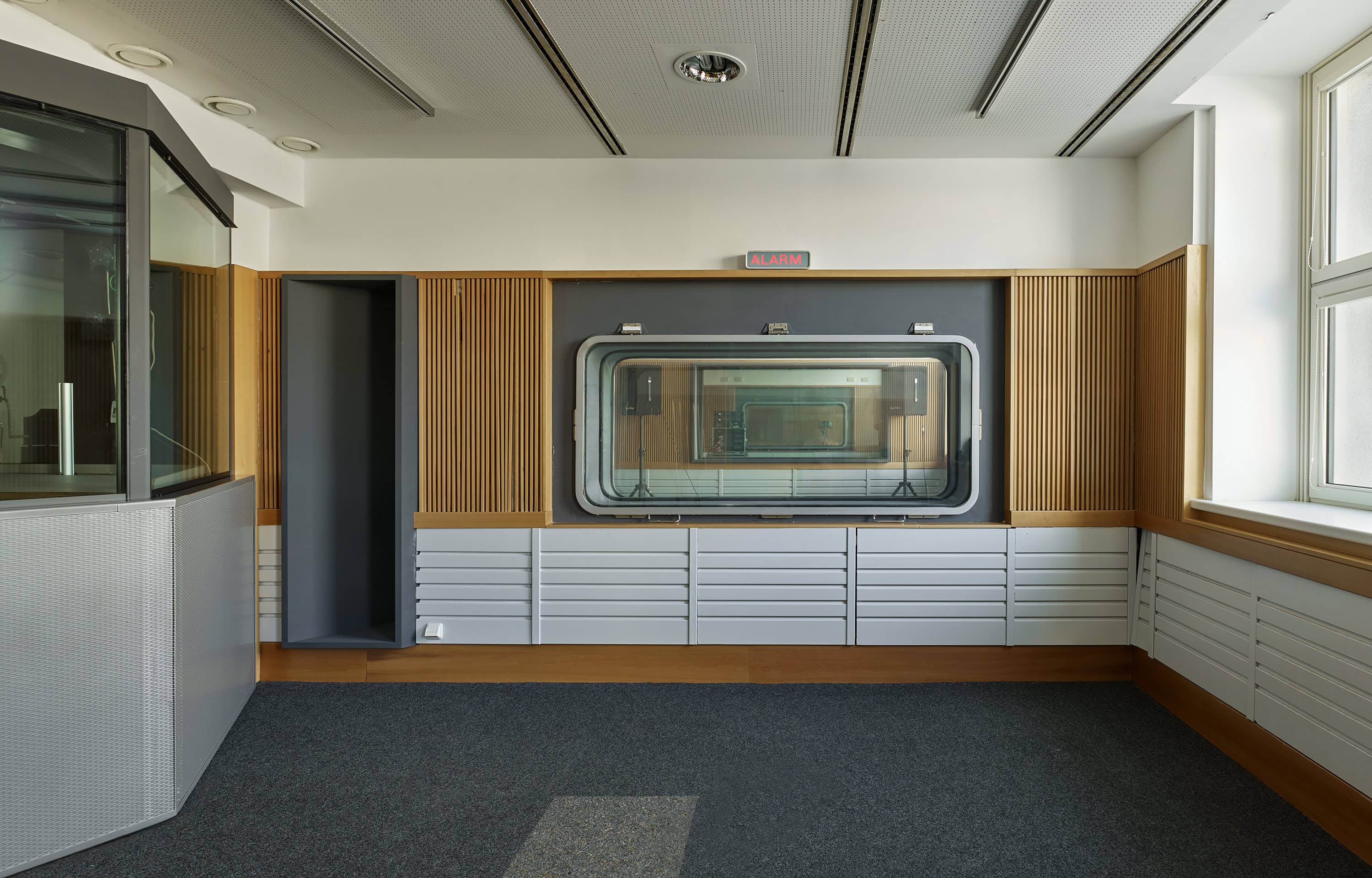
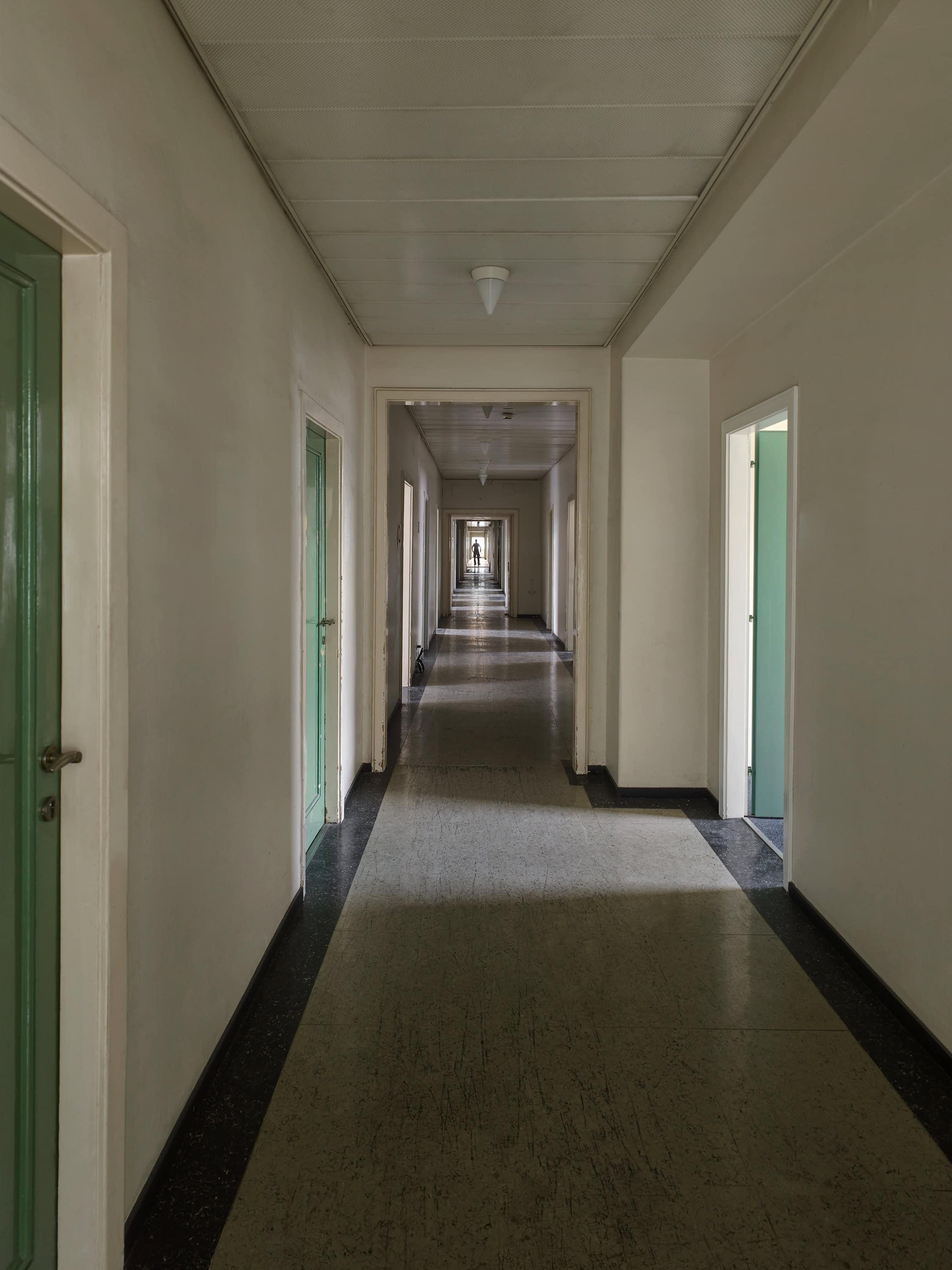
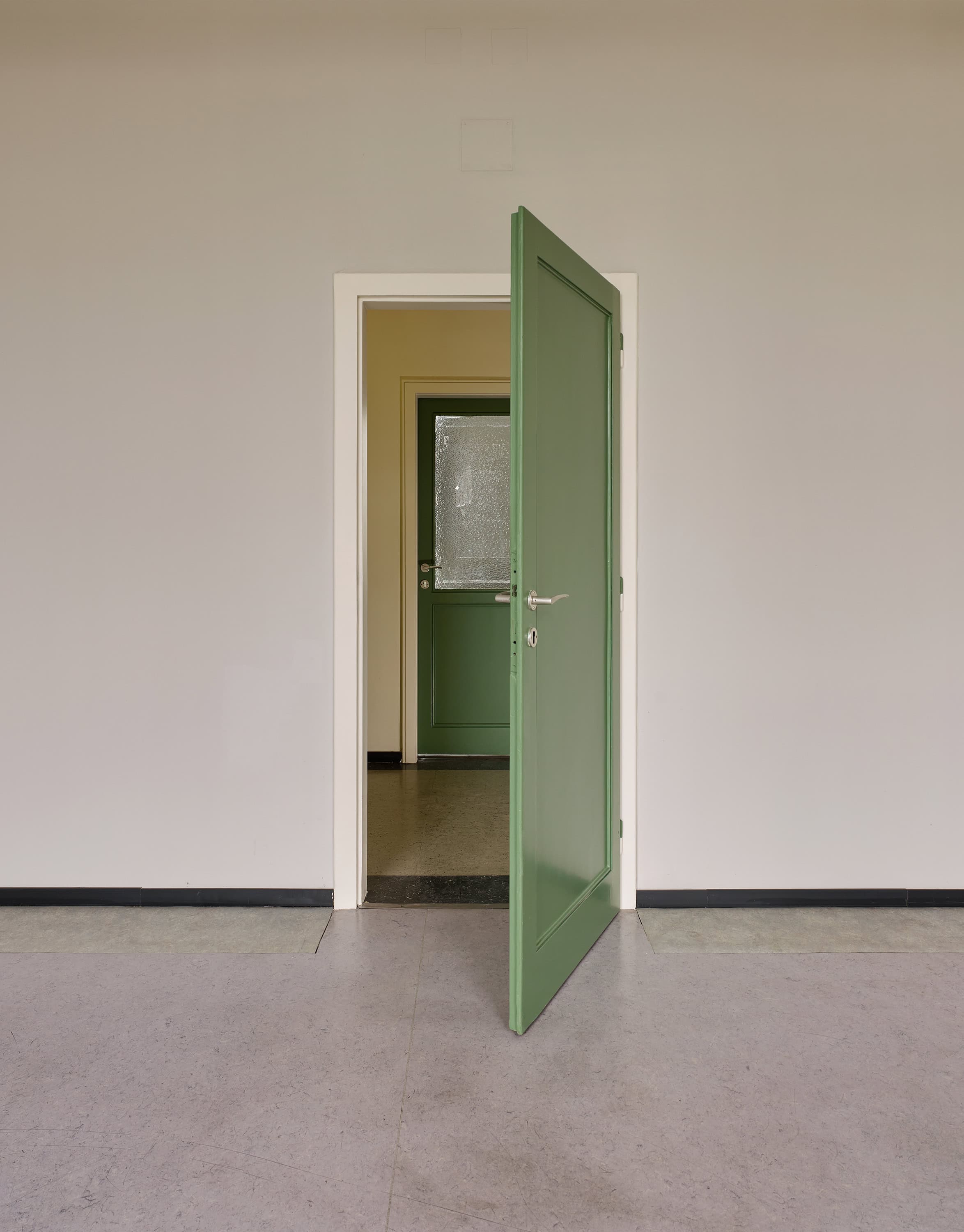
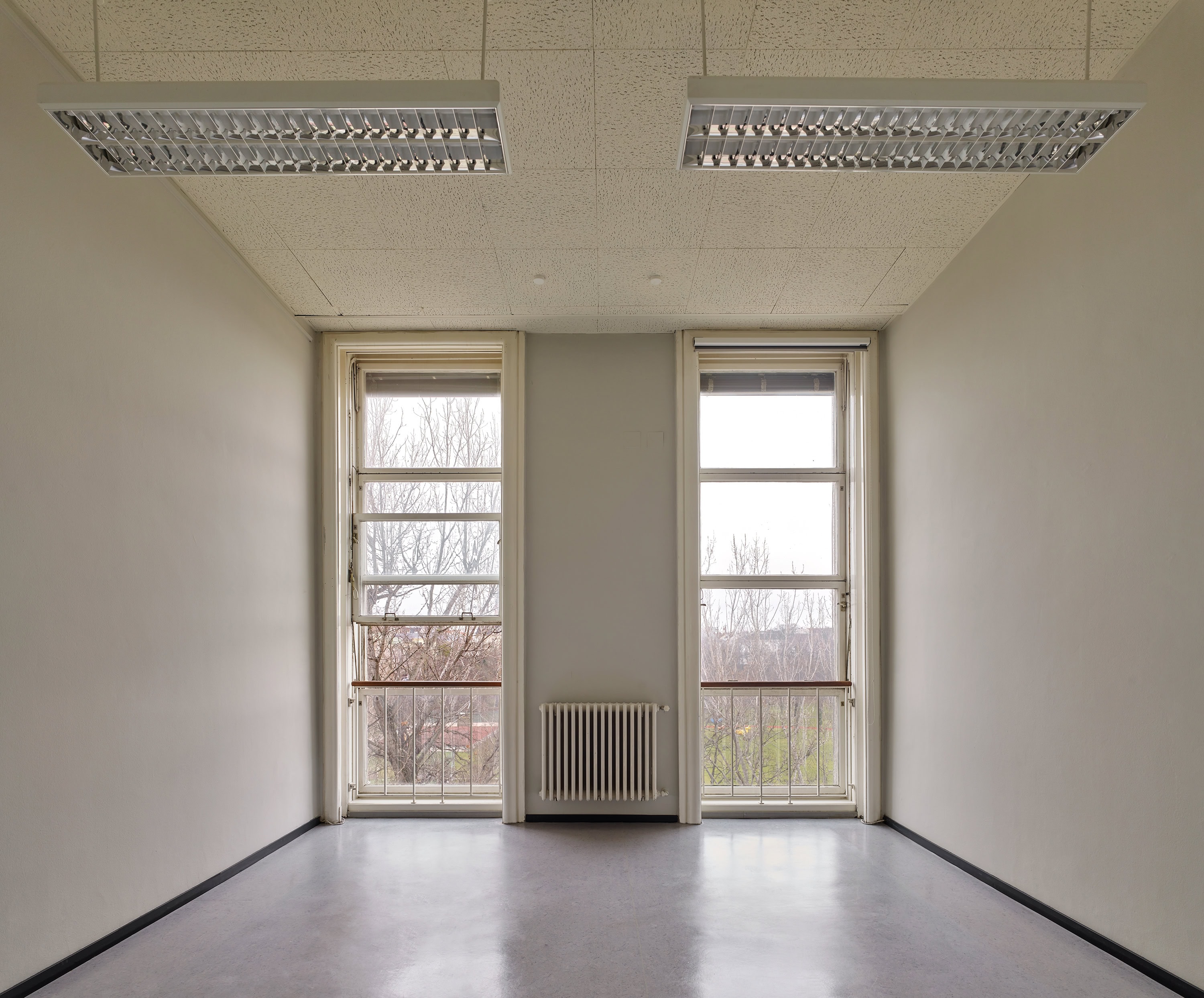
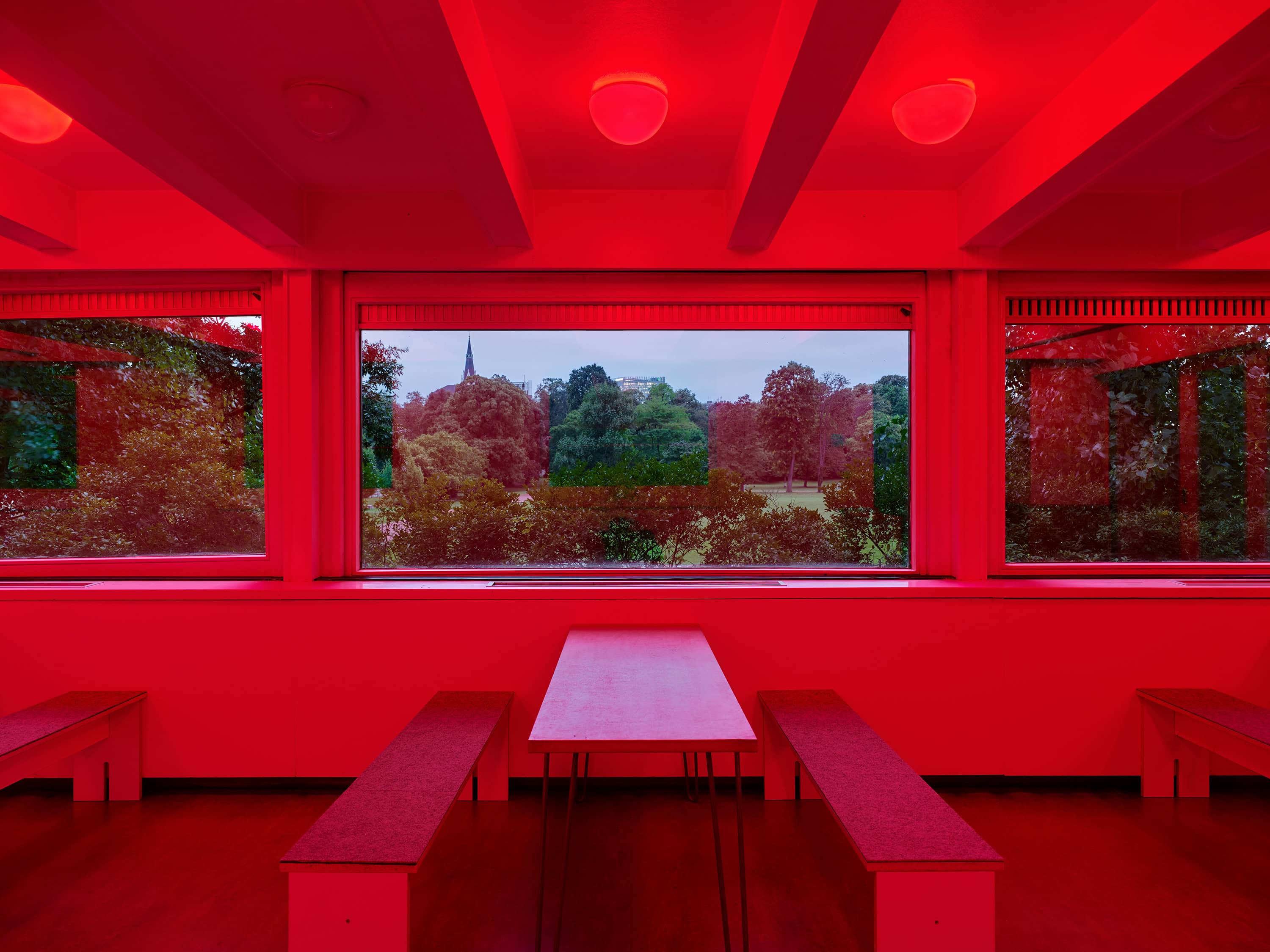
The multi-story complex, which housed the recording studios in the rear wing, borders the park of the Theresianum. Between 1979 and 1983, an extension was added based on plans by architect Gustav Peichl. In June 1988, the facility achieved a technological milestone with the commissioning of the world’s third fully digitalized control room, following the BBC and WDR. In 1999, the Funkhaus was granted landmark status for its architectural merit.
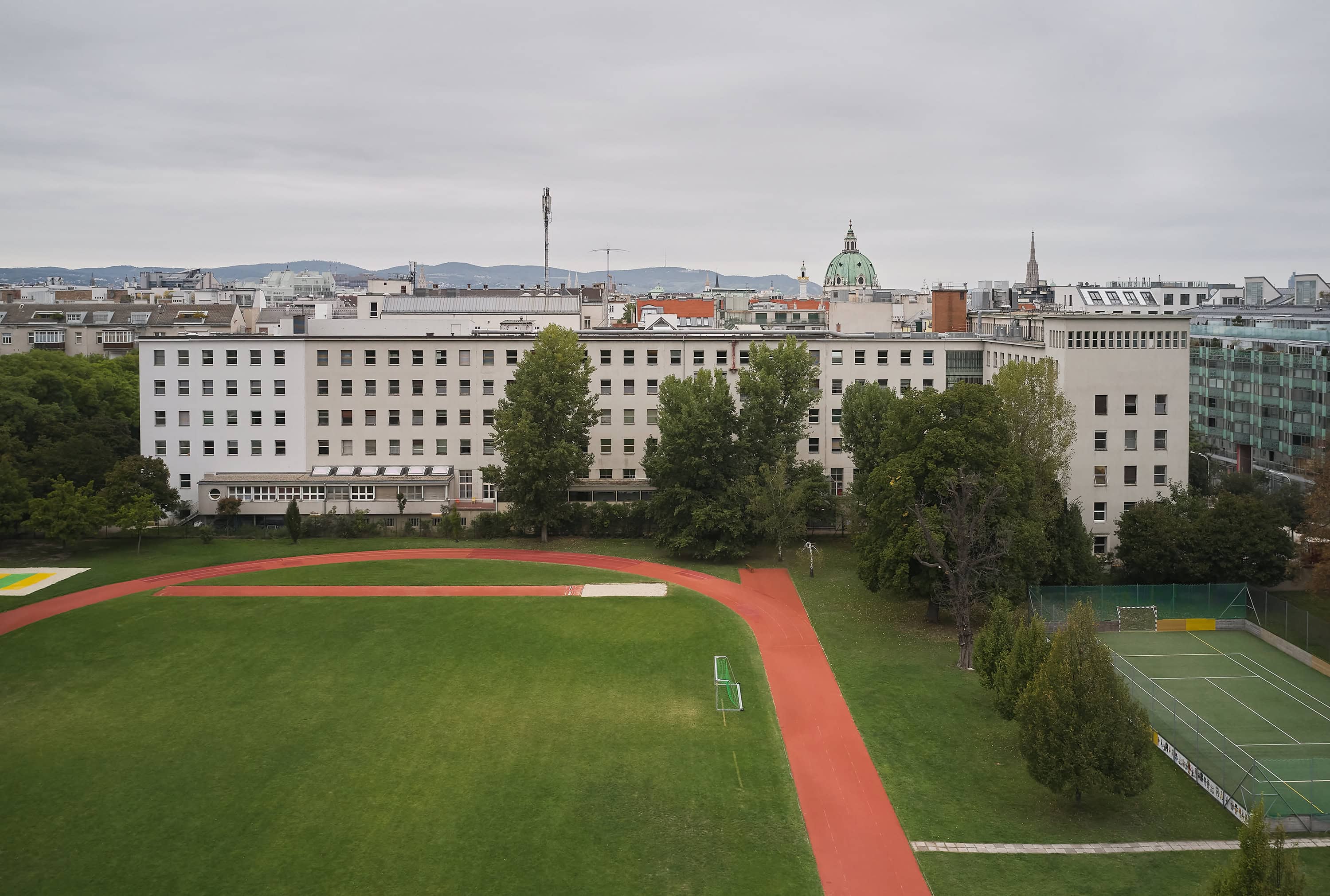
In October 2015, as part of ORF’s consolidation measures, the Funkhaus was finally put up for sale. The decision to abandon this central, history-steeped site and relocate operations to the more peripheral ORF Center at Küniglberg met with significant resistance, particularly from the artistic community. The sale was finalized in June 2016, with the property acquired by the Rhomberg Group. The historic recording studios were excluded from the sale and remain available for the broadcaster’s use. The Funkhaus also remains home to the ORF Radio-Kulturhaus, founded in 1997. It activates the historic, heritage-listed studios through a multimedia program of talks and concerts produced for the ORF. Additionally, the venue serves as the permanent residency for the ORF Vienna Radio Symphony Orchestra.
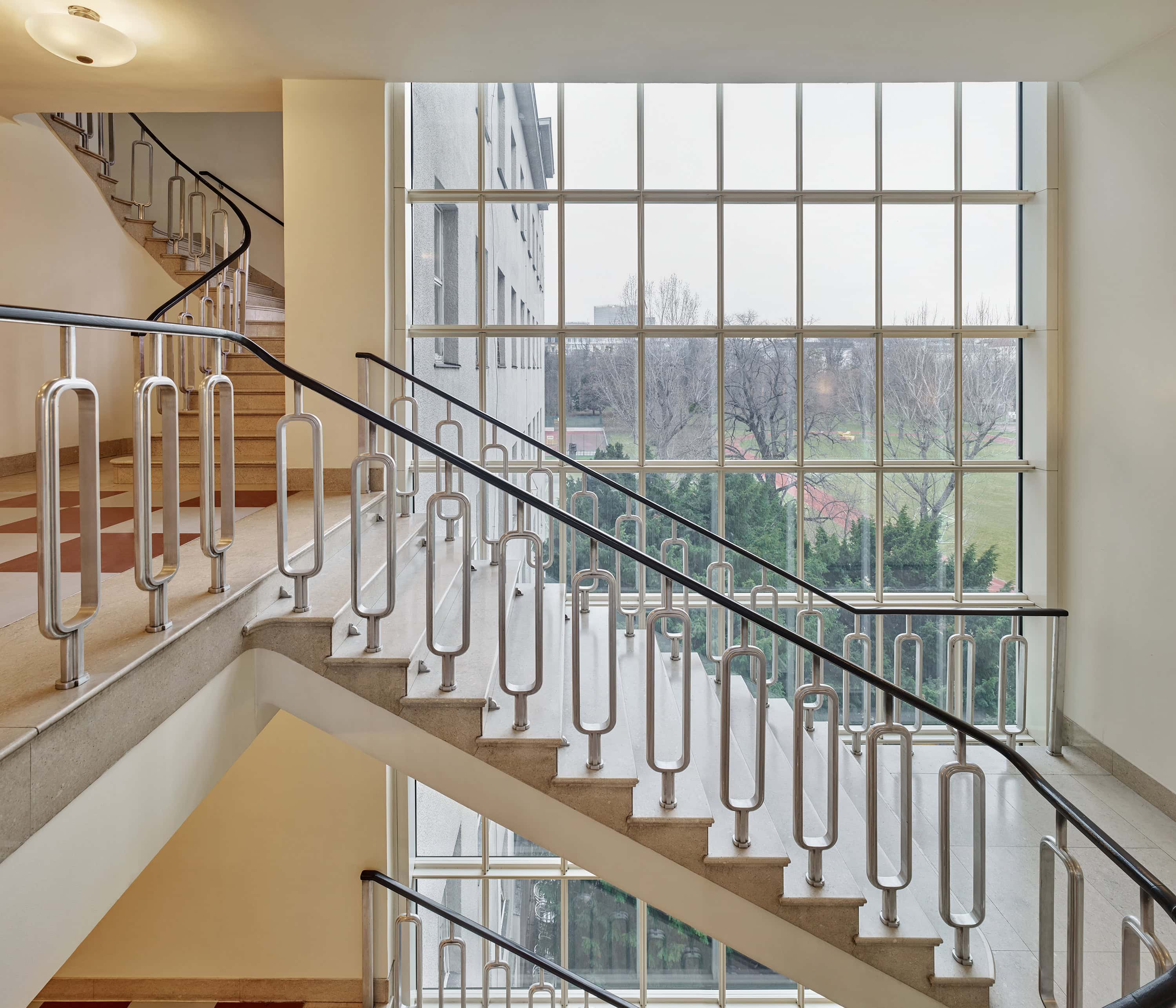
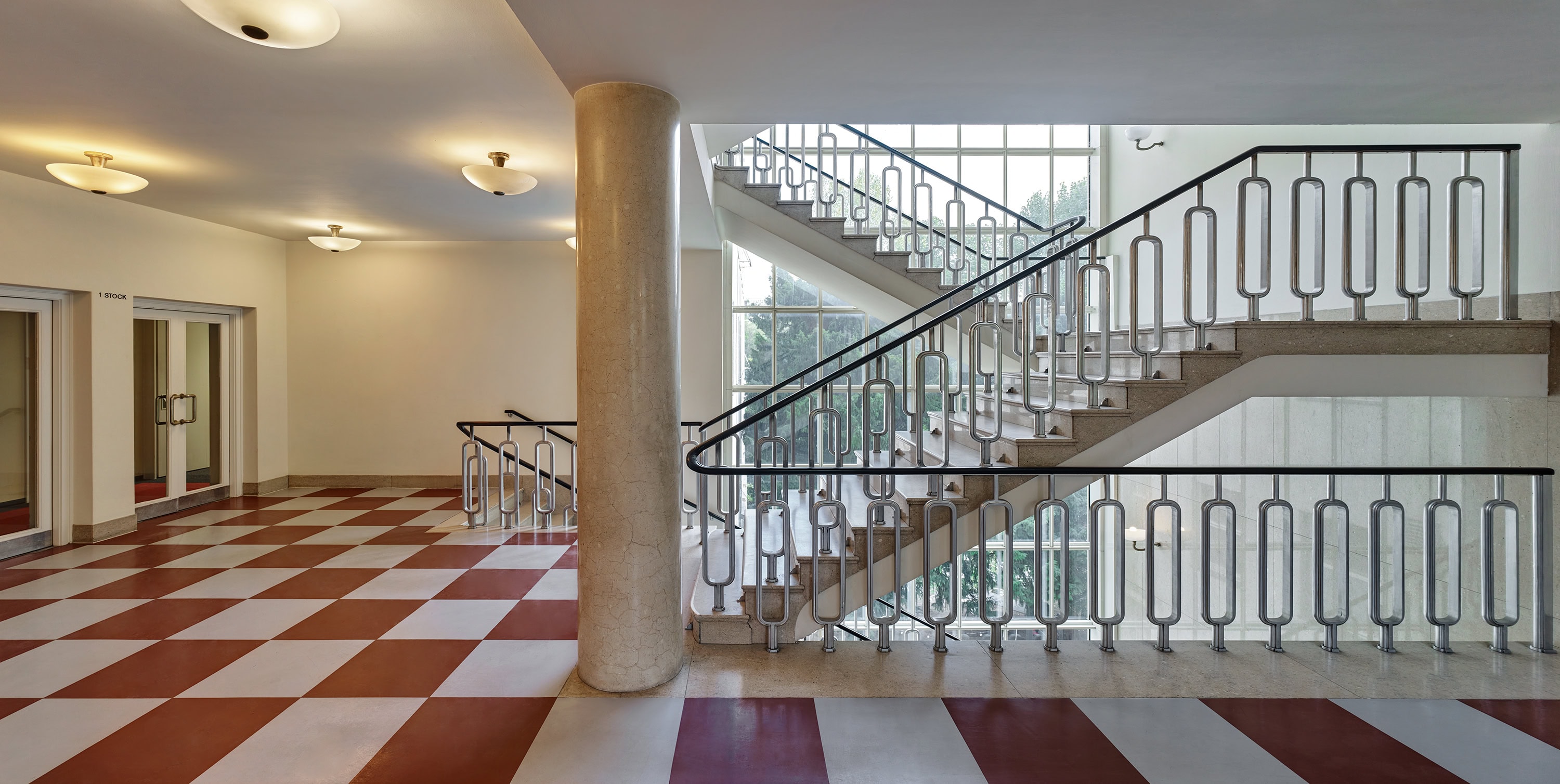
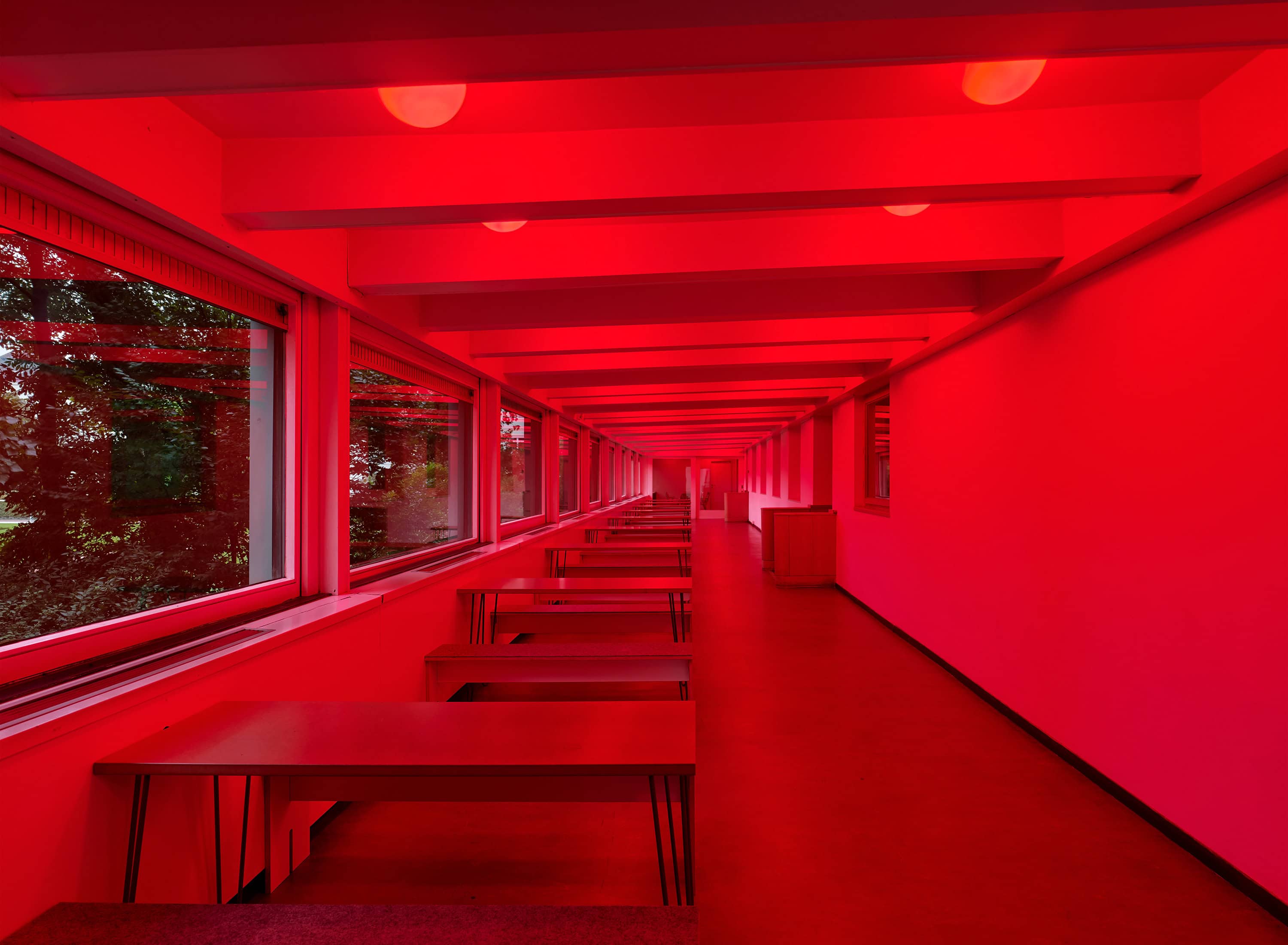
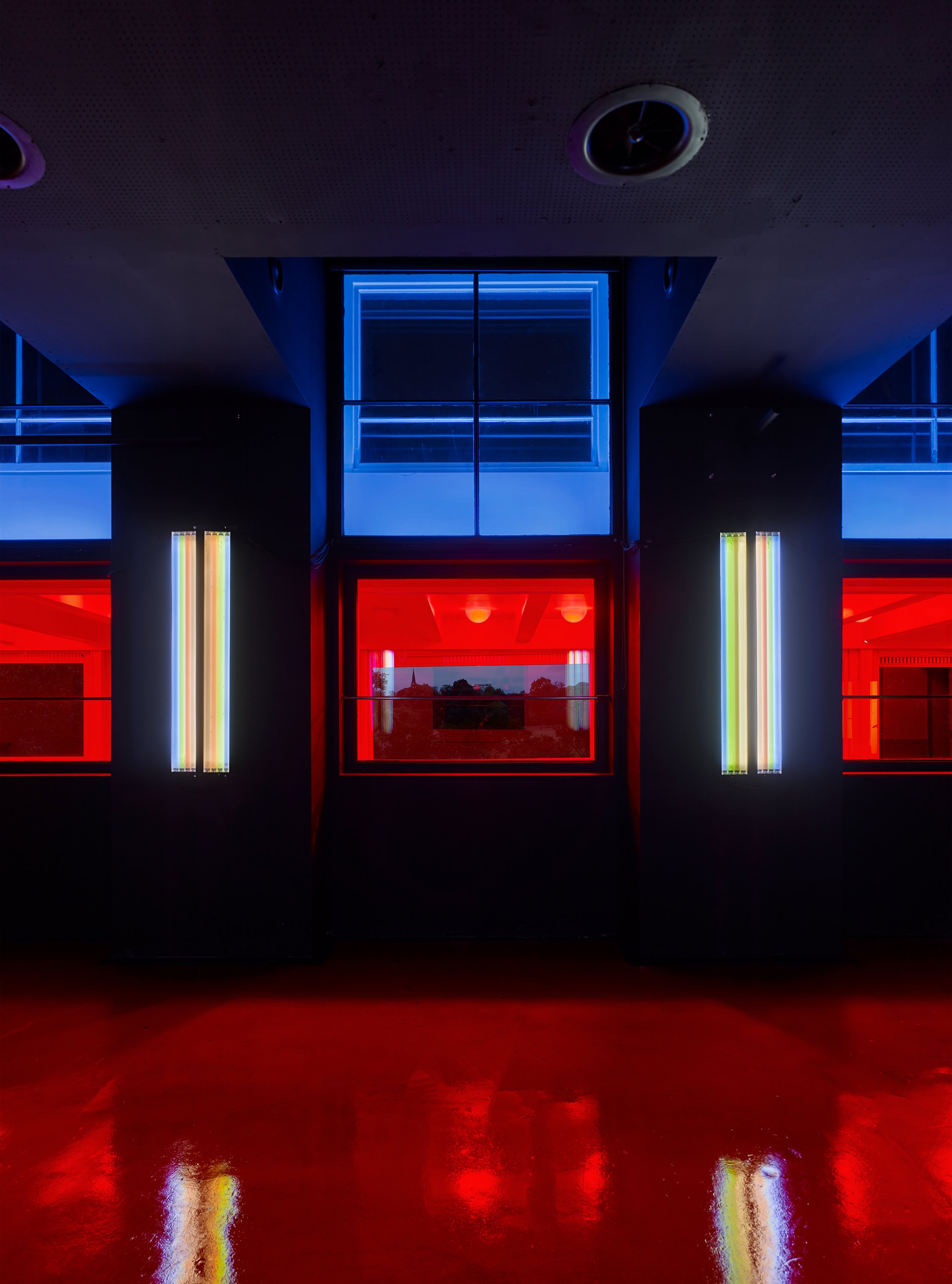
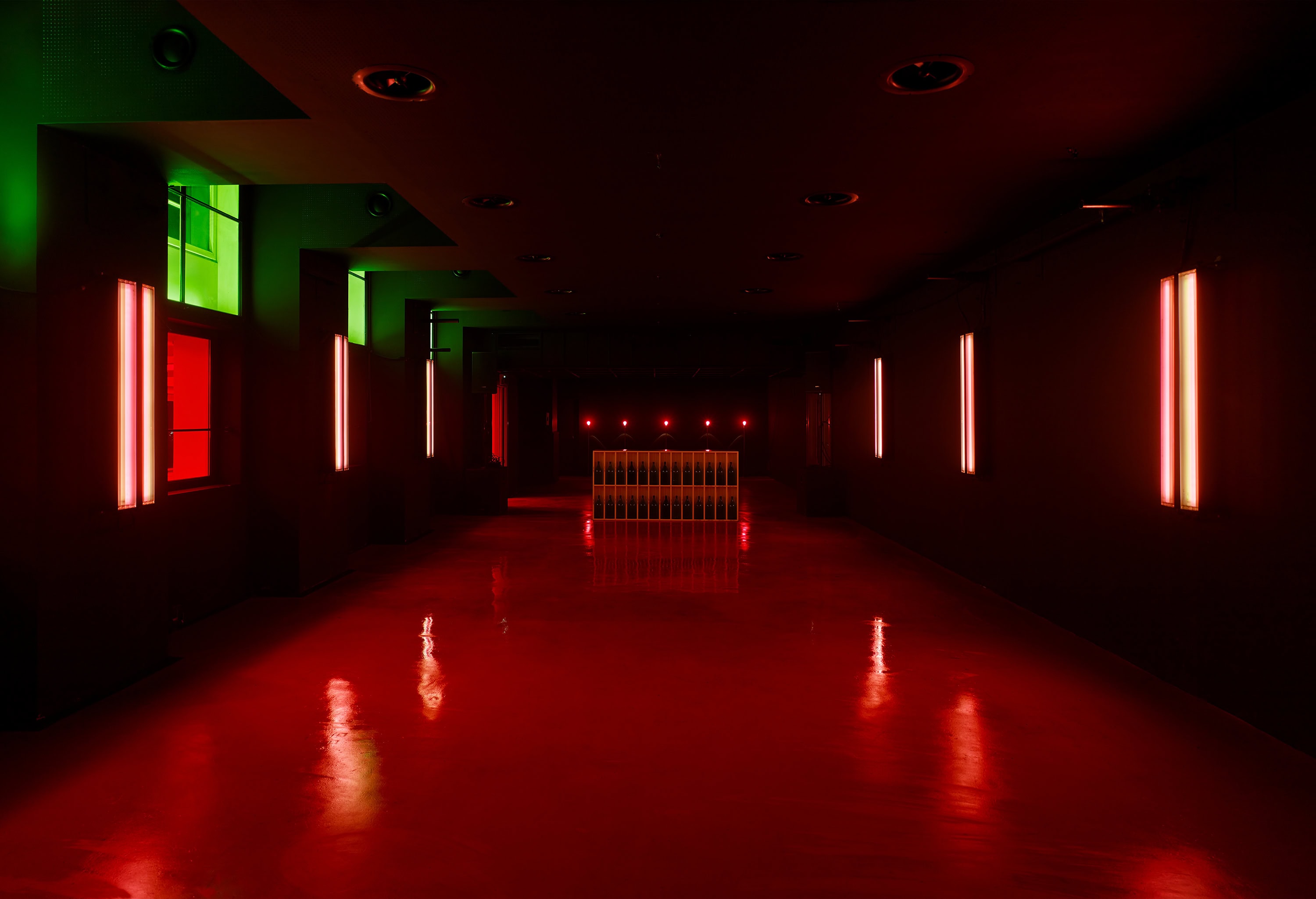
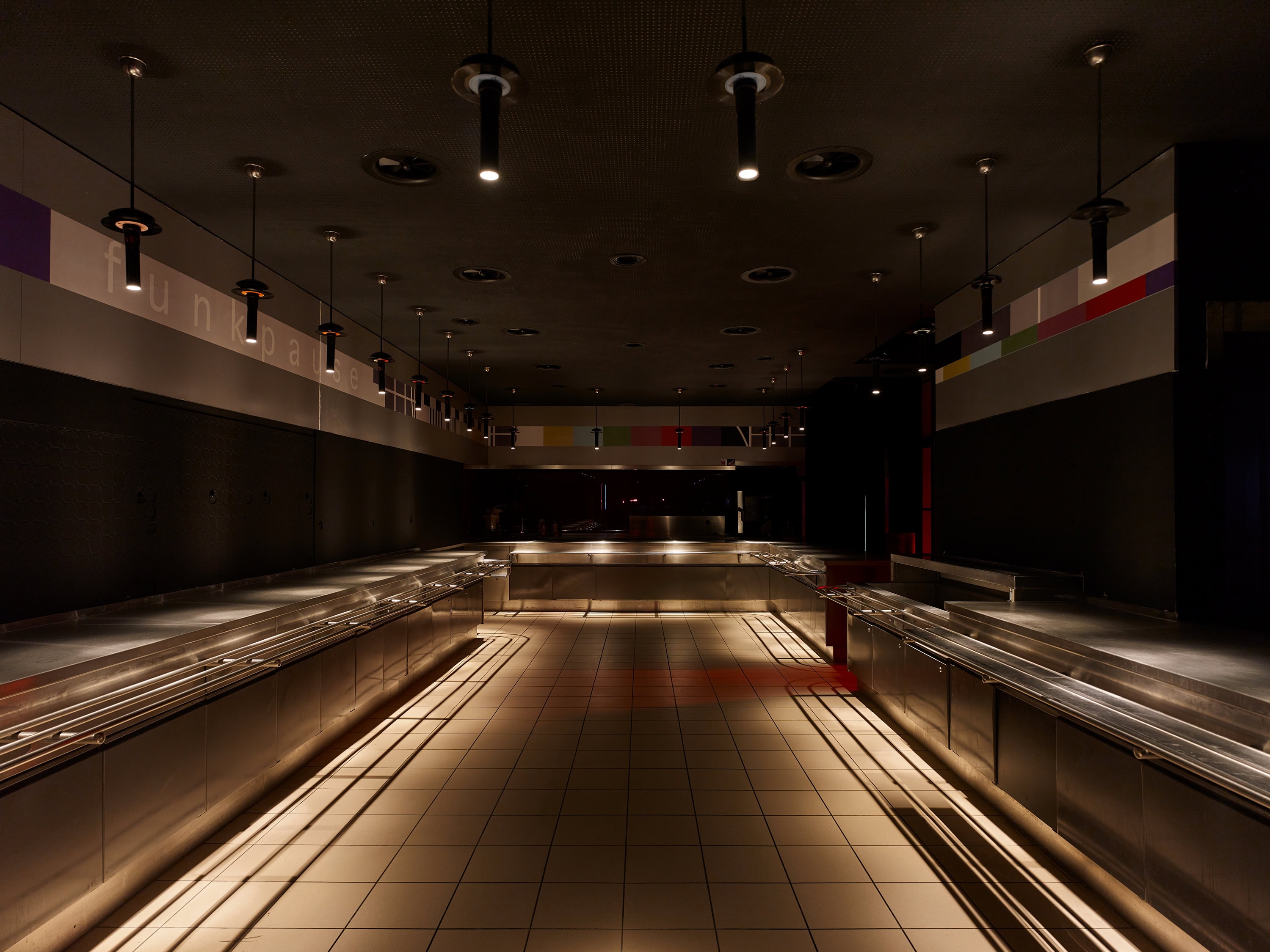
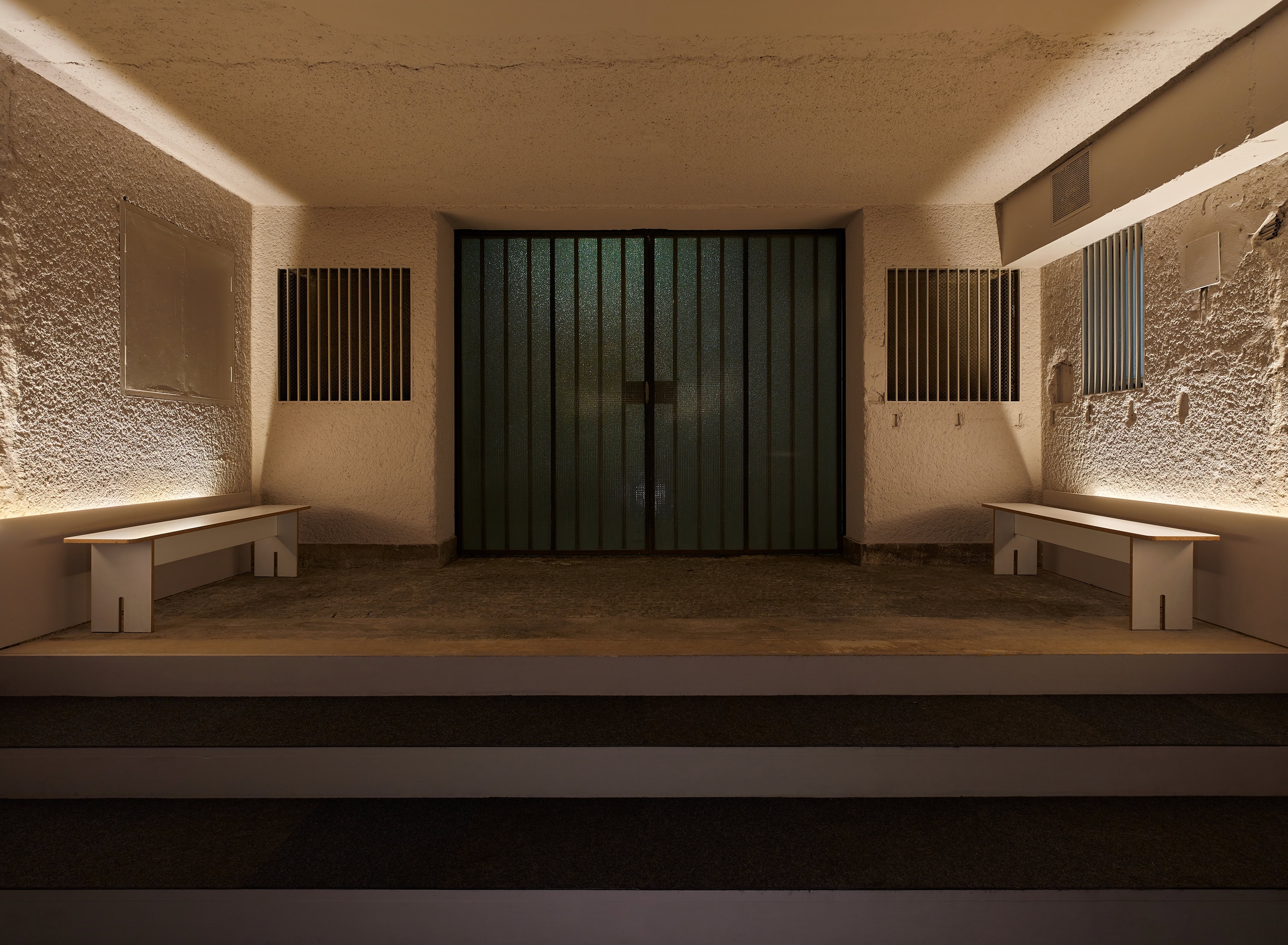
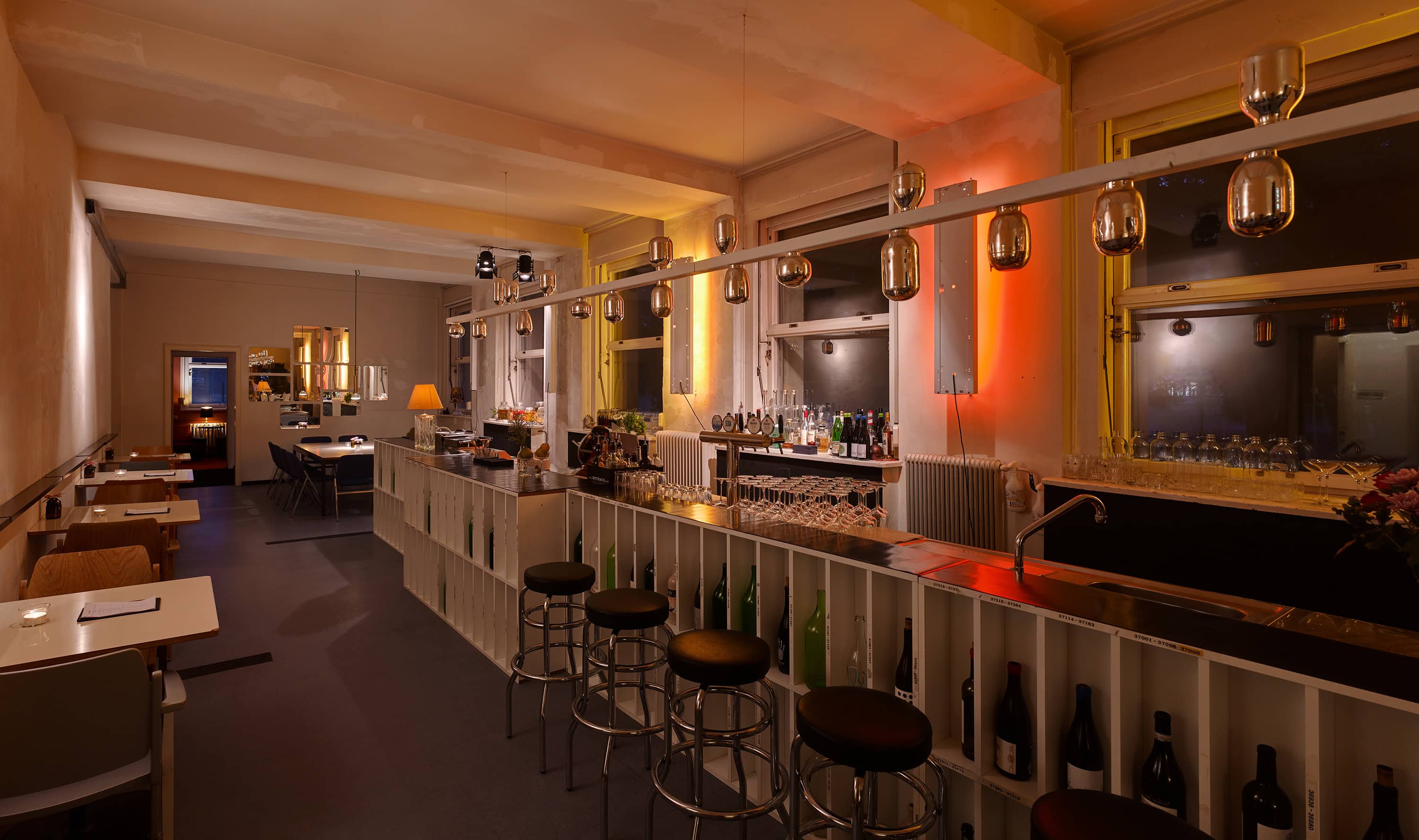
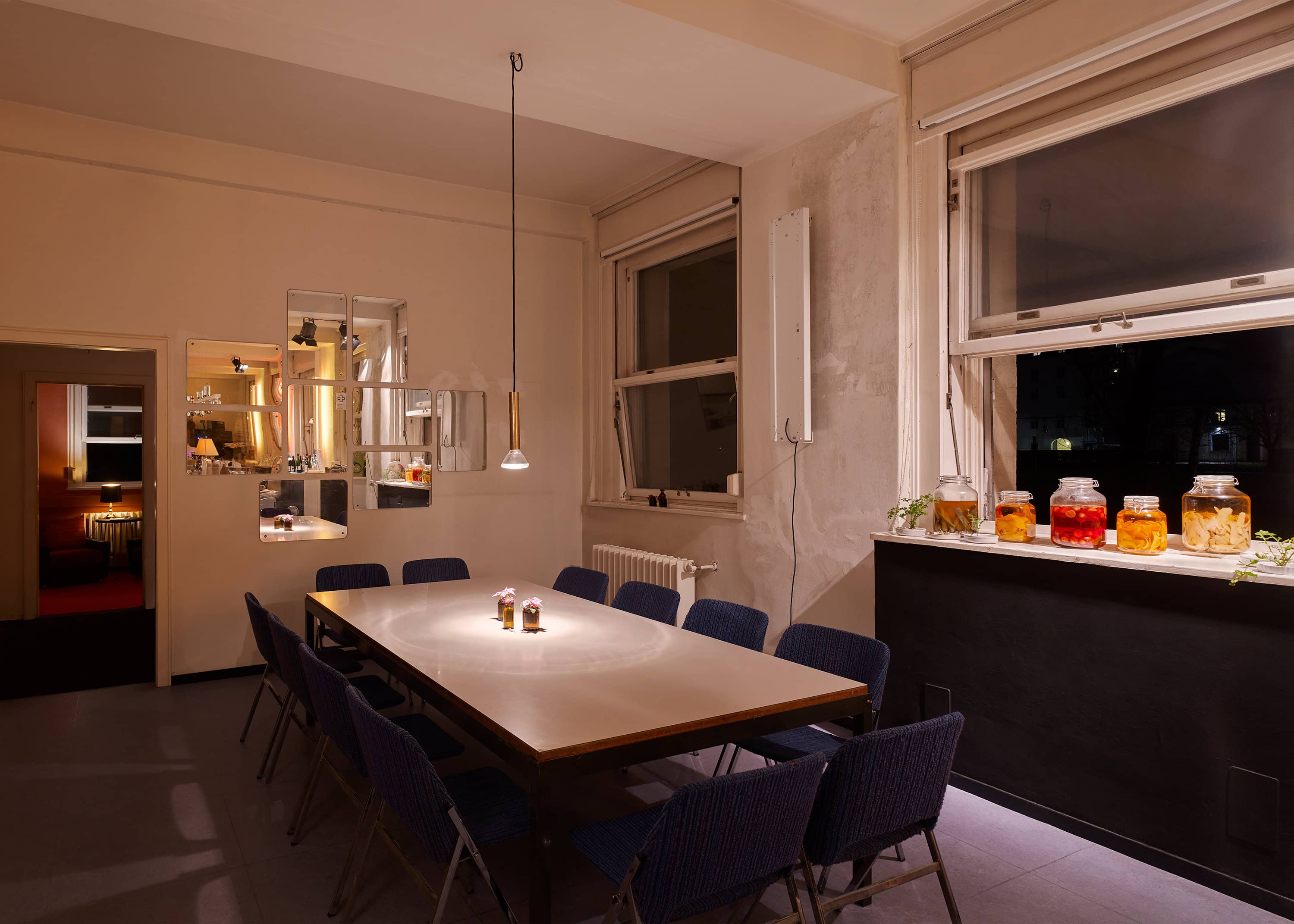
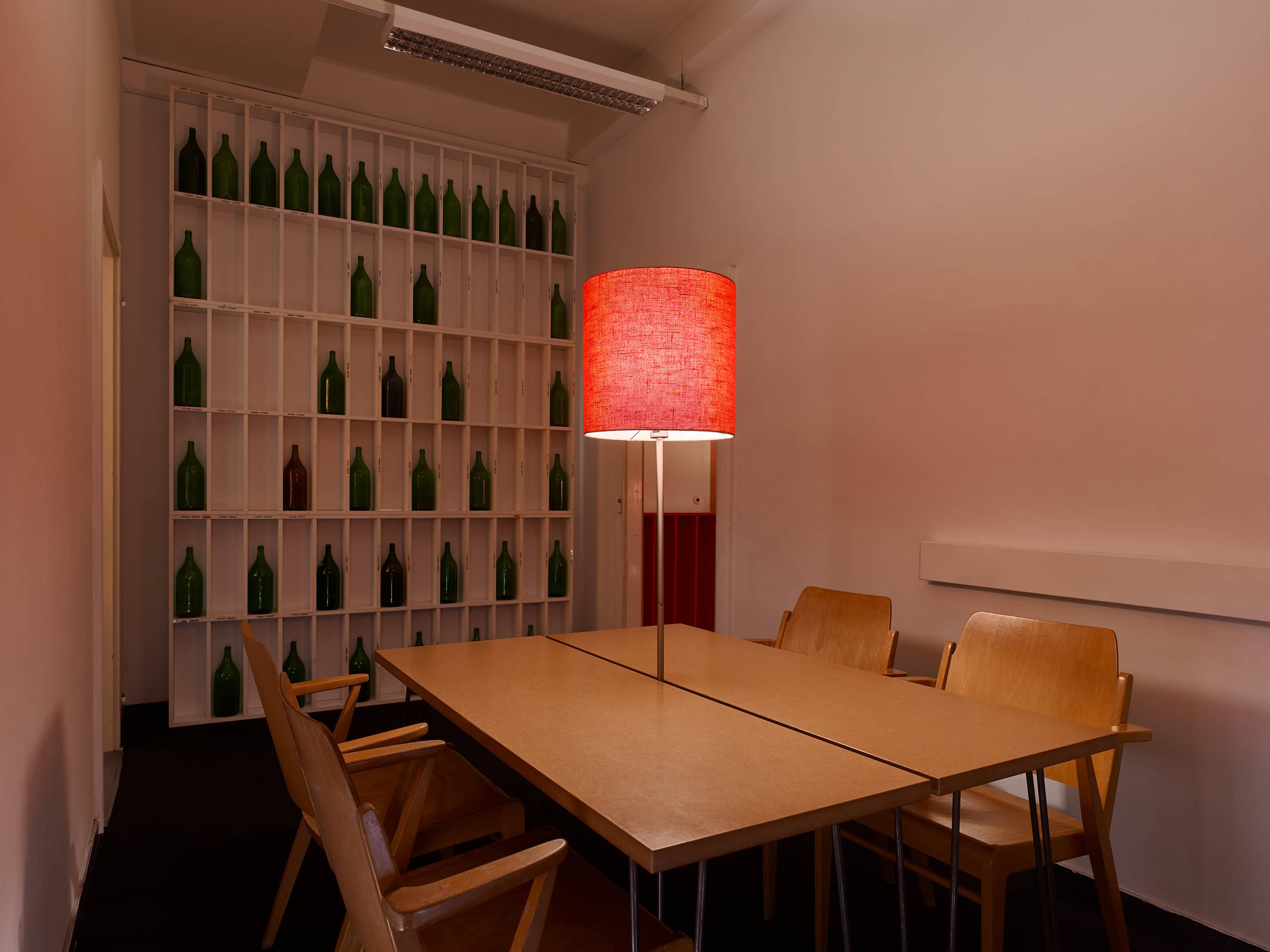
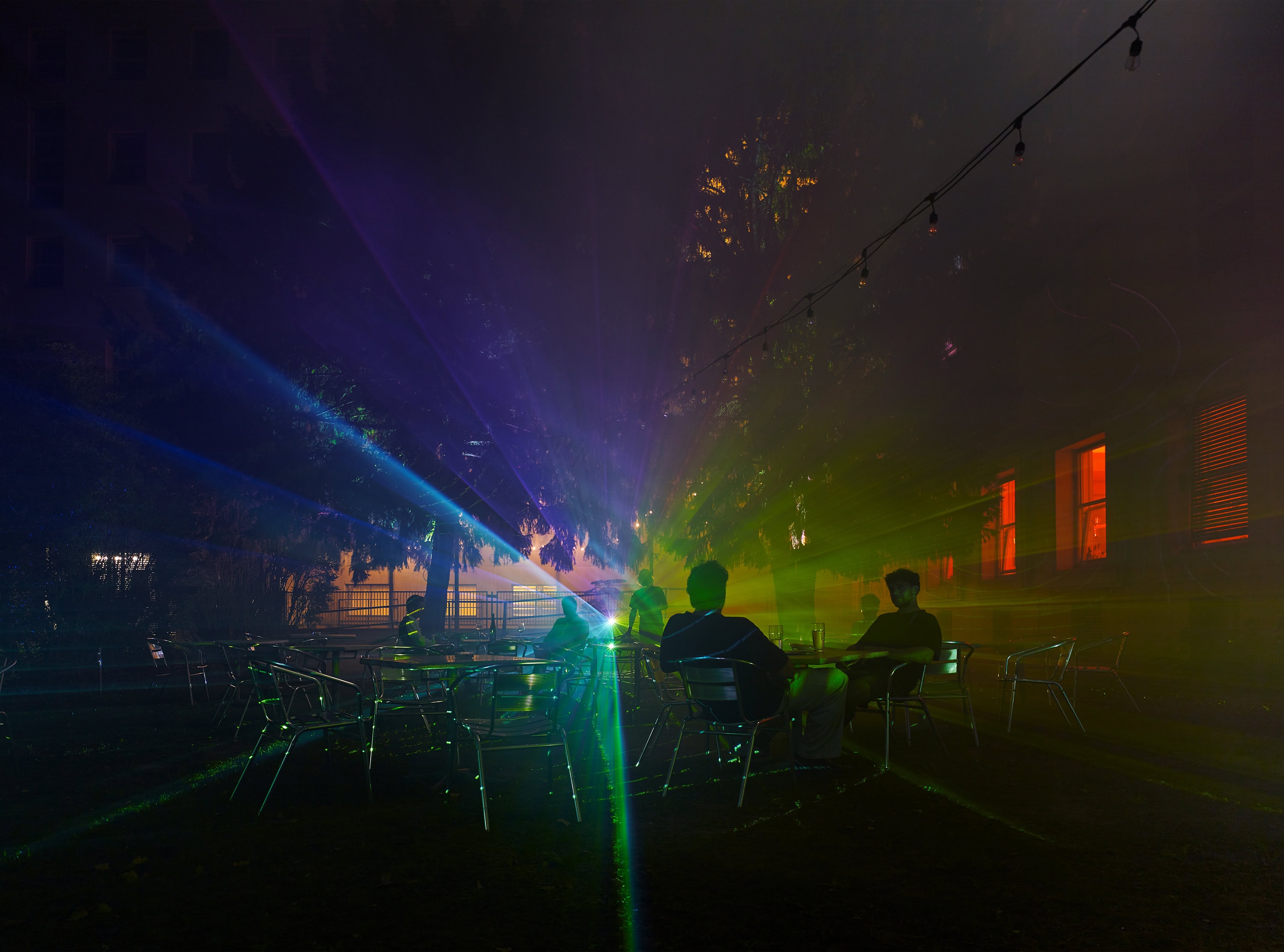
In 2024, part of the premises were opened for interim use with a mission to preserve their historic character while adapting them for contemporary creative work. The site operates as a comprehensive cultural hub – hosting artists, events, dining, and programming – united by supporting Vienna’s artistic community. Starting in 2026, BWM Architects, commissioned by Rhomberg Bau, will begin the redesign of the former broadcasting center. Sections A and B will be opened to the public, transforming the site into a vibrant creative hub based on the concept of a “stacked Grätzl” (stacked neighbourhood), while Section E will be dedicated to residential use. The design focuses on preserving or, where necessary, restoring the building’s original character in close coordination with the Federal Monuments Office.